
Key Takeaways
- Alberta’s secondary containment regulations are a blend of provincial and federal standards which means operators must remain up to date with both AER Directive 055 and the Environmental Protection and Enhancement Act.
- Detailed site evaluations and strategic system selection are important first steps to compliance, aiding in risk identification and ensuring containment aligns with specific operational requirements.
- Routine inspections, documentation and employee training contribute to continued compliance and help avoid environmental incidents.
- Operators should consider containment technologies, including earthen berms, concrete systems, and modular rentals, in terms of their applicability, longevity, and cost.
- Rentals provide flexible, cost-effective, and fast deployment options, making it easier for operators to stay compliant without significant upfront costs.
- Cultivating a compliance culture, future-proofing, and thorough supplier vetting enable you to be on the forefront of regulatory changes and environmental standards.
Secondary containment alberta refers to any facility or engineering designed to keep spills or leaks from leaving a site, usually for oil, gas and chemical storage. They typically feature double-walled tanks, lined berms, or concrete pads to prevent liquids from coming into contact with the soil or water. The Alberta Energy Regulator and Alberta Environment and Protected Areas establish regulations on how these setups must operate. Most sites have steel or synthetic liners. Some even have alarm systems to detect leaks quickly. Effective secondary containment helps you comply with safety regulations and reduces the cost of cleanup. Alberta’s changing weather, from deep cold to heavy rain, influences how these systems are constructed. Next we’ll get into the main types, regulations, and optimal configurations for regional requirements.
Understanding Regulations
Secondary containment regulations in Alberta are governed by a combination of provincial and federal legislation. Operators should heed these standards as they define how oilfield and industrial sites manage toxic liquids. For the most part, secondary containment means an additional, oftentimes outer, wall or liner surrounding a storage tank to capture leaks and spills before they reach the ground. These regulations not only safeguard the environment, but they enable businesses to steer clear of onerous fines and maintain licenses to operate.
Key components of Alberta’s secondary containment requirements:
- Design and materials for secondary containment structures
- Minimum capacity based on the largest tank volume
- Regular inspections and maintenance protocols
- Spill prevention plans before product transfer
- Reporting and documentation requirements
AER Directive 055

Alberta Energy Regulator (AER) Directive 055 outlines the foundational standards for storing and managing oilfield waste and hazardous materials. Secondary containment is not negotiable for tanks containing petroleum or other hazardous products. Containment systems must contain at least 110% of the largest tank and utilize materials that resist the substance. The Directive additionally requests periodic inspections to identify leaks or damage at an early stage.
By following AER standards, it reduces the risk of spills and helps you avoid any legal trouble. Noncompliant sites could be in for steep fines. By satisfying these regulations, businesses demonstrate a dedication to safety and environmental responsibility. The AER monitors operators through audits and site visits. If the systems fail, the regulator can compel repairs or even shut down.
Directive 055 affects every decision in the design and maintenance of containment—from selecting corrosion-resistant liners to stormwater runoff design. With the AER’s watchful eye, oil companies have to keep their edges honed, making sure their systems are always current with shifting regulations.
EPEA Requirements
EPEA establishes firm guidelines for handling hazardous substances, such as secondary containment. Operators have to stop leaks, minimize contamination, and be prepared to clean up fast. EPEA anticipates routine inspections of all machinery and transparent inspection documentation.
Operators must demonstrate they prevent spills before they begin. If they don’t, they face losing their right to operate, paying fines, or damaging land and water. The Act incentivizes firms to select and maintain their containment systems carefully. For instance, choosing a double-walled tank for chemical storage reduces leak hazards in delicate areas such as wetlands.
Federal Crossover
Federal standards, such as the Canadian Environmental Protection Act (CEPA) and sections 30 to 32 addressing storage tanks, inform Alberta’s standards. The principal federal agencies—Environment and Climate Change Canada and Health Canada—establish general standards on dangerous goods. Operators need to understand how these intersect with local statutes.
Federal and provincial rules typically coordinate. For instance, a spill prevention plan must be in place prior to storing any product, either under Alberta or federal regulations. On occasion, federal laws are more stringent, such as with respect to tank size or spill response, in U.S. States like California. It can be hard to navigate these overlaps, as missing a requirement can mean big delays.
Your Compliance Blueprint
An Alberta secondary containment compliance blueprint establishes a straightforward, actionable plan for complying with regulations prior to putting product into a system. Your compliance blueprint underpins both environmental protection and operational reliability. The following steps describe how to create and sustain a plan compliant with the Canadian Environmental Protection Act, 1999 and for continued inspection by Environment Canada.
1. Site Assessment
Comprehensive site evaluation is your starting point. It identifies site-specific risks and assists in selecting the appropriate containment solution. Scope out soil type, proximity to water, structures, and scout locations more susceptible to leaks or spills. These results help inform the design of secondary containment systems so they meet real-world site requirements and not just generic standards. Keep detailed notes of every evaluation for compliance and future audits.
2. System Selection
Then, choose a containment system appropriate for business requirements and compliance obligations. Consider options such as earthen berms, modular rentals, or concrete basins. Each has trade-offs. For instance, earthen berms can be contoured for large sites but are not appropriate for areas with high groundwater. Modular systems are fast to install and modify. Think about size, power, and environmental protection. Talk to your vendors to discover new technology that can assist in compliance and reporting.
3. Proper Installation
Proper installation is crucial. Observe manufacturer guides and be guided by Sections 30-32 of standards. Teach crews to set up and be safe. One slip-up during setup can translate to leaks, lost product, or compliance issues. Once installed, get a licensed inspector to verify that all components function as intended and comply with regulatory standards.
4. Ongoing Inspection
Continual inspections aid in identifying issues at an early stage. Make sure to review it regularly at least annually. Check for rust, tears, or leaking. PM/CM: Maintain inspection logs to demonstrate compliance and accelerate repairs. Crews that care about regular inspections prevent huge issues down the road.
5. Emergency Response
A good compliance blueprint is essential. Develop spill or system failure protocols and train staff. Conduct drills so everyone is clear on their actions. Partner with local officials to get the plan right. A quick, knowledgeable response can mitigate damage.
Common Compliance Pitfalls

Secondary containment in Alberta requires forethought and compliance. There are many common compliance pitfalls operators need to navigate, or they risk environmental damage and fines. Key pitfalls include:
- Using the wrong liner or material for stored chemicals.
- Underestimating required containment capacity.
- Ignoring routine inspections and maintenance.
- Sharing containment between incompatible chemicals.
- Overlooking documentation and record-keeping.
- Failing to manage stormwater or overflow.
- Not staying updated on regulatory changes.
Material Mismatch
| Material Type | Best Uses | Common Weaknesses | Compatibility Notes |
|---|---|---|---|
| Concrete | Fuels, oils | Prone to cracking | Not for strong acids/bases |
| Polyethylene | Fertilizers, pesticides | UV degradation | Check for chemical resistance |
| Steel | Solvents, some fuels | Corrosion, rust | Needs protective coatings |
| PVC Liners | Water, weak acids | Tearing, punctures | Not for aggressive chemicals |
Don’t get me wrong, material selection is important. Liner incompatible with stored fertilizer can lead to leaks and regulatory problems. Operators need to consider things such as chemical resistance, strength, and climate stability of the properties. Hard selection criteria keep you from flunking. Training your staff means everyone knows why using the right material is important and lessens the chance of your system crashing.
Capacity Miscalculation
| Tank Volume (m³) | Required Containment (m³) | Regulation |
|---|---|---|
| 10 | 11 | 110% of largest |
| 40 | 11 or 4 (whichever >) | 10% of total |
| 100 | 11 or 10 (whichever >) | 110%/10% rule |
Local rules require secondary containment to be able to contain 110% of the largest container or 10% of the volume. Operators risk non-compliance by undershooting or overshooting. These should be reviewed regularly, particularly if your operations or the law changes. Not always meeting volume or rain overflow standards may incur fines or incidents.
Documentation Gaps
Comprehensive records include inspections, servicing, and compliance activities. Absent reports or old records attract regulatory notice. A main digital system simplifies file retrieval and updates. The problem is that staff require instruction to comprehend why accuracy and completeness are important. Compliance misses and expensive audits can result from gaps in logs or inspection notes.
Containment Technologies
Secondary containment in Alberta is a combination of old and new technologies, each with their respective advantages and real world implementation challenges. These solutions serve to satisfy rigorous safety, environmental and regulatory requirements for several industries, including oilfields or tank farms. Selecting the appropriate technology is often dictated by project scale, site constraints and budget, in addition to the material type being contained.
- Earthen berms provide a low-cost, organic solution and require ongoing maintenance and meticulous workmanship to avoid erosion.
- Concrete systems guarantee longevity and meet regulation standards. They have higher initial expenses and may crack with time.
- Containment technologies While modular rentals offer a lot of flexibility and affordability for short-term requirements, they are not necessarily the answer for all use cases.
- Cutting-edge containment technologies, such as pre-sprayed or factory-manufactured sheets, provide speedy installation and accommodate complicated site layouts. They require cautious application to prevent punctures.
Earthen Berms
Earthen berms, especially for oilfields, have long been a stalwart in secondary containment. Containment Technologies employs compacted soil to create barriers around tanks or storage. The appeal is minimal material cost and local dependence.
Constructing a berm requires precise grading, compaction, and occasionally reinforcement. The right slopes help shed water and put a stop to erosion. Berms have to be checked for settling and animal burrowing which can compromise their integrity. Out in the boonies, ready access to dirt and little reliance on outside materials makes berms a go-to.
They are most effective on expansive, open locations with room to construct broad foundations. Berms are an elegant, natural choice in environments with rich, stable soil. Using natural materials can reduce environmental impact and be more harmonious with the landscape.
Concrete Systems
Concrete containment systems are renowned for their durability. They are perfect for hazardous waste and chemicals, providing a non-porous barrier that stops leaks. Design must adhere to rigorous standards for wall thickness and reinforcement, including concern for joints and expansion gaps.
These systems can be poured or precast, then sealed for additional defense. Maintenance includes looking for cracking, freeze-thaw, and chemical wear. Compared to berms, concrete is more expensive up front but costs less by reducing spill liabilities and complying with stringent regulations.
For tight sites, concrete can be formed around existing tanks or equipment, restricting downtime. Though less flexible than modular or sprayed systems, concrete is still a great option for permanent installations.
Modular Rentals
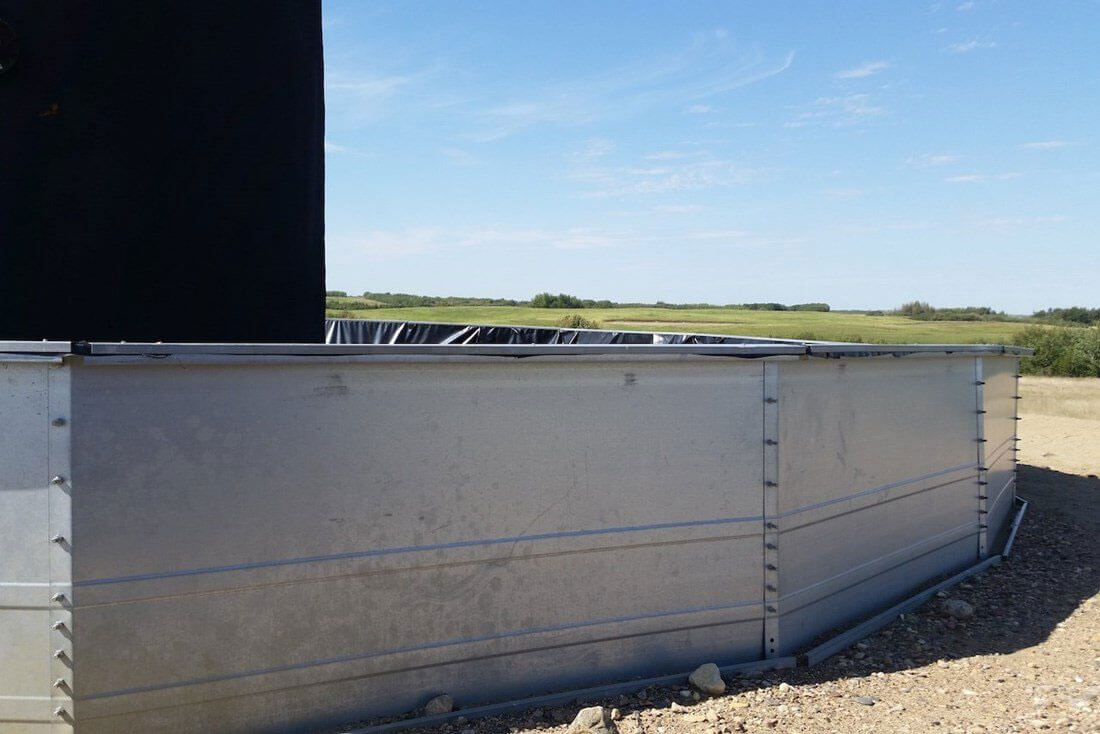
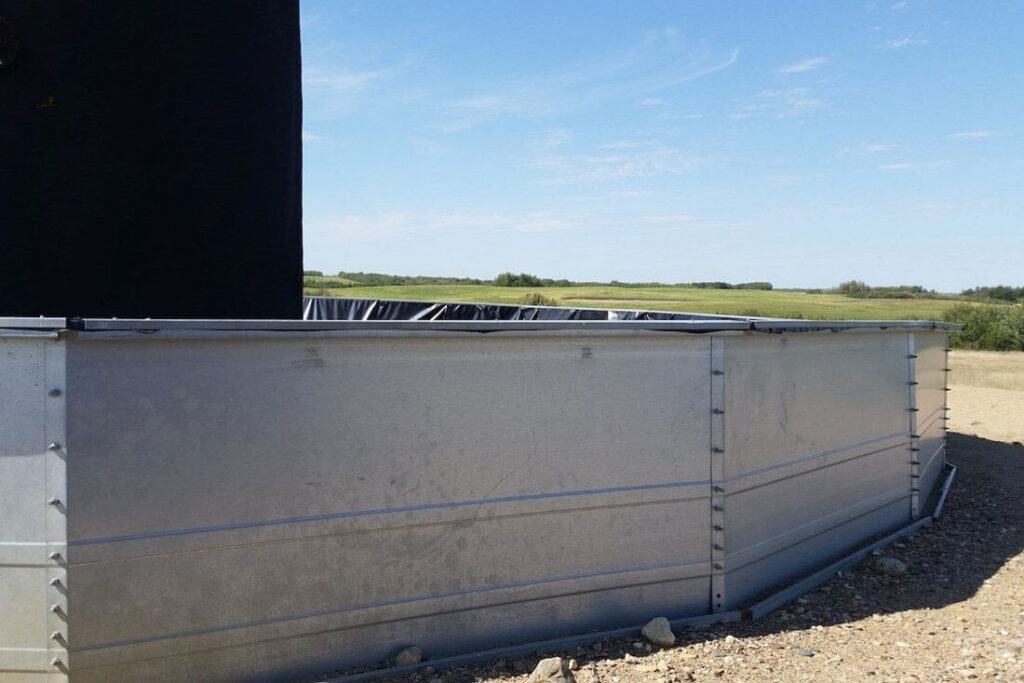
Containment Technologies Modular rentals add speed and flexibility to containment. They come in units, so they arrive ready to install, which saves you time prepping the site. They’re excellent for projects with fluid requirements, such as construction or seasonal hoarding. Rentals can scale up or down as demand shifts.
For quick tasks, leasing is frequently less expensive than purchasing. Modular panels or basins can be connected to conform to irregular spaces, and newer configurations accommodate challenging pipe or pile arrangements more effectively than traditional sheet linings. Choosing a reliable provider counts. Containment Technologies’ quality control ensures the systems are leak proof and legally compliant.
Beyond The Checklist

Secondary containment in Alberta and globally deserves better than strict checklists. Checklists assist in following rules, but they may not catch actual hazards, particularly in complicated, high-risk fields. A proactive culture, future-proofing, and strong supplier relationships all combine to get beyond that “check-the-box” mindset. These steps guide organizations to identify esoteric dangers, adjust to compliance changes, and react to market pressures, resulting in safer and more reliable results.
Proactive Culture
Creating a proactive culture is making being safe and caring for the environment natural, not simply mandatory. Consistent training ensures workers are current on updated standards and demonstrates why compliance is important. Teams that feel safe speaking up about risks catch small issues before they grow. It assists when management institutes easy avenues for people to report worries, such as anonymous forms or weekly safety huddles.
Acknowledging good conduct maintains enthusiasm. Others have monthly awards or public shout-outs for employees who identify issues, mend risks, or exceed expectations. This type of acknowledgment allows peers to realize that we value safety and compliance on a daily basis. Eventually, they discover that safety is no longer a checklist to be completed.
Future-Proofing
Rules in Alberta and elsewhere frequently shift as new dangers and innovations arise. Firms that monitor upcoming legislation or collaborate with consultants to decode convoluted updates pull ahead. By investing in flexible solutions such as modular containment walls or electronic leak detection, it becomes simpler to retrofit when regulations change.
Predicting trends by joining industry groups or attending conferences assists. It’s not only about conforming to today’s rules, it’s about creating containment that accommodates tomorrow’s requirements. By thinking big picture, teams can sidestep expensive after-the-fact retrofits or compliance gaps. Long term planning leads to fewer surprises and less risk of cascading failures down the road.
Supplier Vetting
Robust supplier vetting provides confidence that containment solutions comply with safety and legal requirements. Businesses review the background of a vendor, verify product certifications, and request evidence of regulatory compliance. It’s typical to request references from other purchasers in your industry.
Good relationships with suppliers pay off. Trusted partners often inform us of new products or standards changes. Periodic reviews, whether quarterly or annually, keep vendors honest and make certain their products continue to suit organizational requirements. This approach balances quality, compliance, and innovation to minimize the likelihood that substandard equipment falls through the cracks.
Rental Solutions
Secondary containment rental solutions in Alberta provide instant access to trustworthy, regulation-compliant systems. For oilfield operations, this translates into no large capital outlays while maintaining safety and environmental compliance. Rentals assist in scaling up or down quickly, so businesses may address project requirements as they arise. It reduces the hazards associated with equipment ownership, from maintenance to warehousing.
Cost Efficiency
It’s cheaper to rent secondary containment than to buy, especially when it’s for a short-term or unknown-length project. Upfront costs are far lower, as there’s no equipment to purchase or cash to immobilize in long-term assets. Most include repairs and maintenance, which reduces recurring costs. There is no hassle of storing systems during downtime, so businesses don’t incur the overhead that comes with ownership. A mid-size oilfield project that needs containment for six months might save thousands by renting, as maintenance and removal are handled by the provider. Rentals work great for event planning and construction, where requirements change and owning doesn’t pay.
Rapid Deployment
Rental solutions facilitate rapid deployment, a necessity for urgent or dynamic operational requirements. Rental Solutions – Providers maintain equipment in ready-to-go status so containment can be mobilized on short notice. This velocity ensures minimal downtime and maximum momentum because you’re not waiting on purchase orders or custom builds. Most rental companies provide transport and setup, which smooths out the logistics and leaves your staff free for other work. When a project scope shifts, say you suddenly need more containment, rentals allow teams to pivot immediately. It’s this flexibility that’s why so many other industries beyond just oil and gas, including agriculture, use rental containment.
Guaranteed Compliance
Alberta rental experts understand regulations and maintain equipment to standard. Their equipment complies with local laws and safety standards, so you can focus on work, not paperwork. Selecting a provider with a compliance track record is important. That must translate to less inspection or fine headaches. Rental Solutions ready-to-use, certified containment systems take the guesswork out of staying legal. Vet providers stay on top of evolving regulations, providing peace of mind and helping safeguard the environment too.
Conclusion
Secondary containment alberta keeps spills contained and meets regulations. Local laws establish the minimum standard, and every site requires an individualized strategy. Smart configurations, such as double-wall tanks or liners, go a long way. Rental units frequently assist in bridging gaps or accelerating repairs without major expenses. Skipping steps leads to fines or damage, so a careful eye helps dodge trouble. We know from experience that teams who check systems and keep gear current encounter fewer issues. To increase site safety and comply with regulations, explore innovative solutions and see what fits best for your site. For updates, tips or rental links, contact or visit reliable providers. Whatever you do, stay safe and keep your site primed for what’s next.
Frequently Asked Questions
What is secondary containment and why is it important in Alberta?
Secondary containment prevents leaks or spills from spreading into the environment. It provides soil and water protection from hazardous substances in Alberta.
Which regulations govern secondary containment in Alberta?
Alberta adheres to the Environmental Protection and Enhancement Act and associated codes. These impose rigid requirements for secondary containment, particularly for industries dealing with hazardous liquids or chemicals.
What are common compliance mistakes with secondary containment?
Common errors are the wrong materials, lack of maintenance, and underestimating capacity. Conducting regular inspections and abiding by regulations can prevent penalties and environmental damage.
What types of secondary containment technologies are available?
Secondary containment options include double-walled tanks, berms, liners, and portable containment systems. Each technology adapts to different materials and site conditions. Selecting the appropriate system guarantees optimal security and adherence.
How can companies ensure ongoing compliance with Alberta regulations?
Regular training, inspections, and documentation are key. Partnering with an experienced crew can help you meet regulatory requirements and avoid pricey infractions.
Are rental solutions available for secondary containment needs?
Yes, we have rental solutions! Containment rentals are the economical solution for short-term projects or emergency situations. They provide flexibility and keep you compliant without significant capital expenditures.
What should be included in a secondary containment compliance checklist?
Your checklist should have capacity checks, material compatibility, inspection schedules, and clear records. It should include emergency response plans to act fast if a spill does occur.
BENOIT RENTALS’ TOP RESOURCES ON OILFIELD FLARE STACK SYSTEMS:
Alberta Energy Regulator (AER) – Flaring and Venting
Petroleum Technology Alliance Canada (PTAC)
Canadian Association of Petroleum Producers (CAPP)