
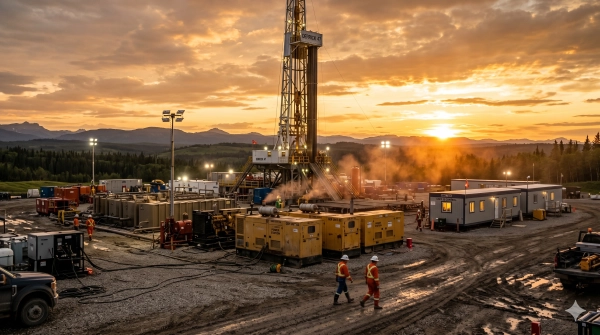
- Key Takeaways
- What Are Oilfield Generators?
- Why Are They Essential?
- Overcoming Alberta’s Extremes
- How to Select a Generator
- The Power Ecosystem
- Find Your Power Partner
- Conclusion
- Frequently Asked Questions
- What is an oilfield generator?
- Why are oilfield generators essential in remote operations?
- How do oilfield generators handle extreme weather?
- What size generator do I need for my site?
- Which fuel type is best: diesel, natural gas, or dual-fuel?
- How do I reduce emissions and meet regulations?
- What services should I expect from a power partner?
Key Takeaways
- Oilfield generators provide dependable, off-grid power to drilling rigs, production systems, and remote camps for upstream, midstream, and downstream operations. Select diesel, natural gas, propane, or turbine units to suit site conditions and fuel availability.
- Purpose-built designs with rugged construction power around the clock in extreme climates. Seek out corrosion-resistant enclosures, cold-weather packages and new controls that maintain performance and low service costs.
- Scalable, modular setups enable power to scale from kilowatts to megawatts as projects grow. Employ parallel generator sets and automatic transfer switches to island around swinging loads and provide uninterrupted power.
- Safety and compliance safeguard individuals, machinery, and the environment. Follow emissions regulations, include overload and fire protection, and plan for routine inspection to maintain safe operation.
- Selection should focus on total cost of ownership, not just purchase price. Calculate power needs, confirm compatibility with existing systems, evaluate fuel efficiency and service intervals, and plan for remote monitoring and predictive maintenance.
- Partnering with a full service provider eases deployment and uptime. Think rentals and leases for flexibility, turnkey installation and training, and remote diagnostics to avoid downtime and regulate expenses.
Oilfield generators provide reliable electrical power for drilling rigs, pump jacks, remote camps, and wellsite equipment where grid access is restricted or unavailable. Used throughout upstream, they power mud pumps, lighting, control, and safety equipment with constant output ranging from kilowatts to megawatts. Units commonly utilize diesel or natural gas from on-site wells, with switchgear and load banks to address fluctuating demand. Contemporary sets incorporate Tier 4 Final engines, sound-attenuated enclosures, and remote monitoring for runtime, fuel consumption, and emissions. For harsh climates, packages offer cold-start aids, dust filtration, and insulated housings. To balance size, runtime, and cost, teams balance load profiles, fuel logistics, maintenance cycles, and compliance rules. The following notes cover oilfield generator basics on specs, sizing, and field best practices.
What Are Oilfield Generators?
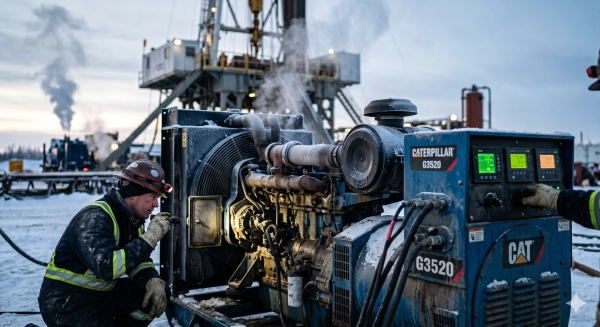
Custom power systems are designed for rugged oilfield tasks. They power drilling rigs, production skids, water injection, compressors, camps and data links beyond the grid. Typical units include diesel, natural gas and turbine generators sized to dynamic loads in upstream, midstream and downstream sites. Common outputs range from 500 to 2,500 kW with Prime Rated Power (PRP) or Continuous Operating Power (COP) to maintain essential infrastructure.
1. Purpose-Built Design
Oilfield generators are built for rough locations and demanding loads. Frames, alternators, and cooling packages tackle heat, dust, and long run hours. Controls tie in with rig PLCs, SCADA, and remote monitoring, enabling teams to monitor kW, fuel consumption, alarms, and emissions remotely.
They accommodate multiple fuels: diesel for rapid start and widespread availability, natural gas or propane when pipelines or tanks are present on-site, and in select projects, dual-fuel kits to change over as required. Advanced features, including electronic fuel injection, variable-speed fans, power factor correction, and low-harmonic alternators, assist in maintaining stable voltage and frequency for VFDs, MWD tools, and high-surge motors. Custom skids, sound-attenuated enclosures, winterization, and modular layouts fit pad size, noise limits, or altitude.
2. Enhanced Durability
Rugged housings, fortified bases, and premium steel withstand vibration, sand, and temperature swings. Sealed connectors and heavy-duty air filtration minimize dust intake.
Corrosion-resistant hardware and coated enclosures aid in Alberta’s oilfields and other harsh climates.
Lower-touch design — extended oil drains, long-life filters and condition-based service — decreases downtime. Basic tasks still matter: check oil, replace filters, inspect belts, and test heaters.
Compliance with electrical, mechanical, and emissions rules enables safe, long-life operation.
3. Continuous Operation
Units are constructed for around-the-clock operation. Sizing and cooling support base load and motor starts without frequent shutdown.
Auto transfer switches and backup sets stabilize power during faults. Proper diesel or consistent gas supply is mapped out with on-site tanks or pipeline taps. Natural gas sets can utilize stranded gas, reducing waste. They combust approximately 100% of the fuel and emit carbon dioxide more thoroughly than flaring at 75 to 90%. Fuel efficiency and engine management trim costs.
4. Scalable Power
Power ranges from kilowatts to multi-megawatt plants as wells come online. Multiple sets run in parallel to follow load swings from pumps or frac fleets.
Depending on field design, they can be prime or backup power. Portable, modular fleets accelerate moves between pads and enable rapid expansion.
5. Safety Compliance
All installations adhere to OSHA safety rules and EPA emissions standards. Protection layers include overload, surge, gas detection, and fire suppression.
Well designed layouts and training reduce risk to humans and equipment. Inspections and record-keeping maintain uptime, air quality, and data integrity for communications, sensors, and processing.
Why Are They Essential?
Oilfield work relies on consistent, instant power. Sites are off-grid, it goes from arctic cold to desert heat, and downtime costs money and safety. Generators bridge that gap by keeping drilling, production, and camp life humming without pause and by supporting grid or microgrid power when systems falter.
Drilling Operations
Rigs require powerful generator sets to power drawworks, mud pumps, rotary tables, top drives, and compressors. High-horsepower motors pull hard at spud-in and through deep sections, so generators have to manage surge loads and extended runs.
Stable voltage and frequency maintain hydraulic systems precisely and prevent stick-slip in the drill string. That steadiness safeguards variable frequency drives and control logic that guide downhole tools. In cold starts or sand-laden winds, remote power units designed with fewer moving parts and zero direct-contact wear points reduce failure risk.
Unplanned stops increase non-productive time. Reliable sets support 24/7 schedules, feed smart well control systems, and power gas conditioning skids that strip water and liquids from field gas to protect downstream equipment. Industrial gas generator sets, with regular maintenance, can operate for decades, which sustains multi-year drilling campaigns.
Remote Camps
Camps count on generators for lights, HVAC, water pumps and sewage. That helps keep living spaces stable as weather shifts suddenly.
Backup units take over in seconds during faults or storms, safeguarding refrigeration, medical rooms, and emergency lighting. Portable and trailer-mounted units allow camps to move with the pad, reducing set-up time between moves.
Comms hubs, satellite links, and safety beacons require clean power 24/7. Fuel-efficient remote generators assist here, too. Several models burn less propane per kilowatt. A 1200 W set can consume approximately one-third the propane of a 500 W conventional unit, reducing fuel lifts and risk on extended supply lines.
Production Equipment
| Equipment | Typical load range | Power traits | Sensitivity |
|---|---|---|---|
| Artificial lift (ESP, rod pump) | 50–1,500 kW | High start torque | High |
| Separators/heaters/treaters | 5–100 kW | Steady thermal control | Medium |
| Gas dehydration/conditioning | 10–300 kW | Continuous duty | High |
| Compressors | 100–2,000 kW | Large surge loads | Medium |
| SCADA/PLC/Instrumentation | 1–10 kW | Clean power needed | Very high |
Manufacturing requires tight voltage and frequency to safeguard automation, VFDs and analyzers. Clean power minimizes trips, safeguards compressors and gas dehydration units, and maintains custody transfer accuracy. As wells come online or methods shift, modular generator banks scale output. Long-life gas gensets, optimized for steady-state loads, complement harsh sites and fill targets with zero gaps.
Overcoming Alberta’s Extremes
How to overcome Alberta’s extremes. Sites sit too far from towns, with roads that disappear in spring breakup. History shows the stakes: many communities lacked paved roads and steady power into the 1970s and 1980s, and early workers lived in dugouts or log cabins. Dependable power is non-negotiable; it is the foundation for drilling, processing, safety, and communications.
Weather Resilience
Cold-weather packages are important. Block heaters, battery warmers, fuel-line heaters, and enclosure insulation save engines from gelling and batteries from sagging at −30°C or below. Intake louvers, crankcase breathers, and low-ash winter oil round out the setup so units start clean and maintain rated output across long shifts.
- Sealed, insulated enclosures with wind-rated doors
- Hydrophobic air filtration and snow-shed intake hoods
- Low-temperature-rated cabling and connectors (−40°C jackets)
- Preheated fuel tanks with water separators and cold flow diesel.
- Corrosion-resistant frames and powder-coated skids
- High-visibility service lighting and ice-safe access points
Snow, sleet, and wind gusts drive moisture and ice into vulnerabilities. Gensets require IP-rated alternators, space heaters in control panels, and smart intake baffling to prevent ice choke. Output remains within plus or minus one to two percent of nameplate throughout the seasons so pumps, VFDs, and heat tracing remain on spec.
Remote Logistics
Fuel planning begins with burn-rate models associated with load profiles and weather data. Couple double-wall tanks sized for 72 to 168 hours of shutdown with water detection, desiccant breathers and spill berms. Construct re-supply routes that still function when ice roads shut down.
Trailer-mounted units (or skid units with winch points) slash setup time. Quick-connect camlocks, color-coded power tails and ground mats can have a small crew landing and tying in a unit in less than two hours.
Utilize cellular or satellite telemetry for run hours, fuel level, alarms, and remote start/stop. This reduces page visits and identifies cold-start errors before downtime.
Service windows require staging of filters, belts and coolant onsite, along with swap spares. Contractors ought to maintain parts caches at hubs to assist with winter fly-in repairs.
Unstable Loads
Drilling rigs, mud pumps, sand conveyance and heat tracing swing loads too. Generators require alternators with high short-circuit ratios and engines sized for 60 to 80 percent continuous load with headroom for surge.
Automatic voltage regulation and digital governors keep voltage and frequency tight when a VFD ramps or a pump kicks in. Where loads jump, put in soft starters, inrush limiters, or ride-through UPS for controls.
Phases change daily—spud, drill, case, test, tie-in. Modular paralleling allows operators to bring on or drop units to match demand without blackouts.
Overload trips waste too. Put in protective relays, kVAR support for bad power factor, and harmonic filters to keep THD under 5 percent so the sensors and comms don’t get swamped!
How to Select a Generator
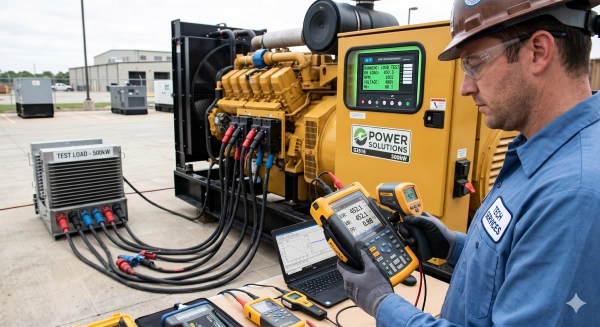
Selection begins with a well-defined load profile, site constraints, and compliance requirements. Identify continuous load, peak shaving, and transient. Map emissions controls early—SCR, oxidation catalyst, and DLE for methane/H2 blends—and confirm standards: ISO 8528-1 rating, EPA Tier 4 where applicable, and ISO 21789 for gas safety. Verify hazardous area regulations (Class I/Div 1 or Zone 2), as well as API, ISO, and IEC standards. Match the prime mover and alternator to base-load stability, cooling method, and the plant’s synchronization system.
- Operational requirements include continuous versus standby, ambient conditions, altitude, noise, and enclosure class.
- Fuel strategy: Diesel, natural gas, propane, dual-fuel, or flare gas.
- Power and quality include kW or MW, voltage stability, frequency regulation, THD, and transient response.
- Reliability: N+1, paralleling switchgear, auto-transfer, and spares.
- Mobility and footprint: skid, trailer, pad, and crane limits.
- TCO: fuel rate (g/kWh), maintenance intervals, overhaul hours, uptime.
- Integration: Voltage, frequency, protection relays, and synchronization modules (Woodward, Deep Sea, ComAp).
- Compliance and safety: API/ISO/IEC, hazardous zone, grounding, and ventilation.
Fuel Type
Gas-fired, diesel, turbine-driven, and hybrid systems each suit different wells, pads, and gathering sites. Diesel fits remote pads with tight transient demands and thin pipelines. Natural gas or dual-fuel taps capture systems or conditioned flare gas to reduce fuel cost and trucking. Turbines scale nicely beyond 5 to 10 megawatts, manage wide ambient swings, and couple with heat recovery.
Check fuel flexibility. Dual-fuel engines hedge price volatility and supply disruptions. For emissions, check EPA Tier 4 for diesel aftertreatment and map ISO 21789 gas safety. SCR can trim NOx and DLE helps methane/H2 blends. Efficiency versus emissions is important because certain aftertreatment increases backpressure and fuel consumption.
Maintenance shifts by fuel. Diesel requires filters and injector overhauls. Gas sets require ignition and valve work but cleaner oil. Turbines like steady load and premium fuel. They require specialist maintenance but at long intervals.
Power Output
Total loads in kW or MW should be summed, label duty as continuous, prime, or standby, and record surge kVA for motors, ESPs, and pumps. Size for peak and then add margin for temperature and altitude. For growth, design modular sets in parallel with N+1, N+2, etc., using ISO 8528-1 continuous ratings.
Validate voltage stability, frequency droop, and THD against VFDs and sensitive PLCs. Ask for step-load data, transient plots, and alternator curves. Confirm cooling options, such as air-cooled versus liquid-cooled, and derate rules.
Portability Needs
Choose stationary for long-term pads. Choose skid-mounted for immediate set on gravel. Choose trailer-mounted for quick jumps from one short campaign to the next.
Mobile sets fit flow testing and workovers. Review axle ratings, road regulations, and onsite turning radius.
In the backcountry, prioritize lightweight, modular frames, quick-connect camlocks, color-coded bus bars and lift lugs. Standardize connectors and cable lengths across sites to speed tie-ins. How to Select a Generator
The Power Ecosystem
Oilfields are power plants now, not just fuel stations. Upstream, midstream, and downstream assets depend on stable, right-sized electricity as sites electrify and demand expands across North America. Grid ties assist, but blackouts in areas such as Texas demonstrate the danger. One outage can fry equipment and stop flowback, compression, or processing. Emissions claims need context, too. Grid power is cleaner only if its source is clean.
Integrated Systems
Hybrid setups combine diesel generators, natural gas gensets, and small flex turbines to adapt load swings from drilling rigs, electric frac fleets, and midstream pumps. Gas turbines on field gas frequently reduce emissions compared to U.S. Blended uses and can replace diesel on pad.
Centralized control panels and remote SCADA trim fuel burn by auto-sequencing sets, shedding noncritical loads, and right-sizing runtime. Operators have alarms, live kW and fuel information all on one screen.
Backup power with automatic transfer switches minimizes trips during grid dips. Sites couple ATS with UPS for PLCs and VFDs and then rotate gensets within moments.
Storage assists as well. Battery packs manage spikes and smooth ramp rates so engines operate in efficient bands. On multi-pad projects, a central microgrid orchestrates sources across lines and separators.
Proactive Maintenance
Scheduled service windows maintain high uptime and longevity. They are scheduled in hours and load profile, not just calendar dates.
Predictive analytics flag high vibration, rising exhaust temperatures or oil metal counts ahead of a failure. Remote diagnostics reduce guesswork and accelerate parts dispatch.
Stock filters, belts, injectors and sensors cut hours out of repair time.
Train techs on safe lockout, gas handling and load-bank testing. About: The Power Ecosystem
Total Cost
| Element | Diesel Genset | Natural Gas Genset | Flex Turbine |
|---|---|---|---|
| Fuel (€/MWh) | Higher | Lower with field gas | Moderate on gas |
| Emissions cost | Higher | Lower | Lower |
| Service | Frequent | Moderate | Specialized |
| Uptime risk | Moderate | Low with clean gas | Low |
| Life (years) | 8–12 | 10–15 | 10–20 |
Leasing suits brief, heavy-duty campaigns. Rentals fit pilots or seasonal peaks. Buying pays when pads run steady for years.
Savings from high fuel efficiency, low emissions, and less upkeep. Avoid flaring, which burns 75 to 90 percent of gas, and venting, which releases mostly methane, by routing gas to power.
Judge long-term value by durability, remote support, parts reach, and bundled energy services that plan fuel, controls, and compliance together.
Find Your Power Partner
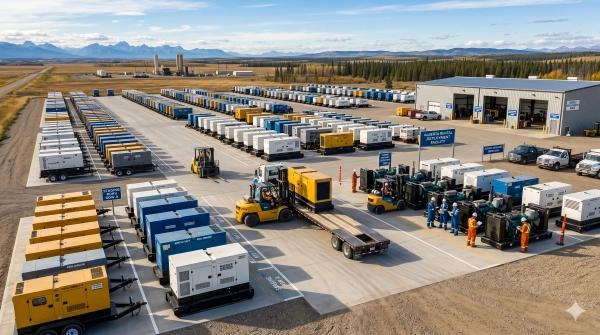
Trustworthy power in the oil patch is a must. For Alberta’s most-trusted oilfield generator provider and turn-key energy solutions that reduce downtime, stabilize expenses, and energize productivity. Choices range from diesel and natural gas to turbine and CHP, based on site load, emissions targets, and fuel availability. We back raw wellhead gas where possible, reducing fuel expense and streamlining logistics. With rentals, leases, and turnkey support, keep projects moving with less risk and clearer budgets.
Rental Flexibility
Short- and long-term contracts match drilling windows, completions, pilots, or several years of production. Daily, monthly, and multi-season terms help match cash flow and projected demand.
A standing army spans 50 to 2,000 kVA sets, low-temperature packages, sound-attenuated enclosures and parallel-ready units for scalable power. We stage load banks, transformers and switchgear for quick tie-ins.
Projects change. Swap or upgrade sets as pad counts grow. Downsize after peak work. You pay just for the power you consume.
Logistics are bundled: delivery, craning, setup, fuel line tie-in, and removal. One touch, less lag, neater transitions.
Expert Support
Technical assistance is available 24/7 for black starts, alarms, and grid trips. Rapid response teams descend with components and proven spares.
Power pros dimension sets by peak and average kW, motor inrush, altitude and ambient cold. They compare diesel to gas by well gas content, emissions and cost to run.
We educate crews on daily inspections, error codes, loading gradations, and secure shutdown. Brief on-site visits make start-ups easier.
A service team takes care of interval PMs, oil analysis, valve sets, emissions tests and warranty repairs. Scheduled maintenance increases asset life and avoids unexpected shutdowns.
Turnkey Solutions
We manage assessments, power design, installation, commissioning, and handover. Clear scopes and checklists keep schedules tight and compliant.
Solutions match site footprints, noise limits and expansion plans. For gas sets, we can scrub raw gas to OEM specs or run engines that are tolerant of wider BTU swings.
Power plans, remote monitoring and N+1 backup develop fortitude. Alerts identify overloads, fuel dips and heat problems before they surge.
Upgrades or move‑ins occur with staged cutovers and temporary sets, keeping critical loads online and protected.
Conclusion
Oilfield work demands reliable power, rapid deployments and safe operations. Oilfield generators bridge that gap on remote pads and in harsh cold or heat. Clear specs reduce risk and waste. Right sizing helps keep fuel consumption in check. Good load steps protect motors and tools. Smart sync keeps crews in sync.
Real gains come to oilfield generators. A 500 kVA one can serve a drill spread with lights, pumps, and heat. An oilfield generators twin-set in island mode can share load and trim fuel burn by up to 15%. A winter kit with block heat keeps starts clean at –30 °C. A dust screen maintains airflow clean on dry lease roads.
Need a plan or quote? Shoot us your load list, site temperature range, run time, and fuel plan to begin.
Frequently Asked Questions
What is an oilfield generator?
An oilfield generator is a robust power unit built specifically for drilling, production and remote energy locations. It provides dependable power for pumps, lighting, controls, and camps. They are oilfield generators built for the rigors of the road, harsh conditions and round-the-clock duty.
Why are oilfield generators essential in remote operations?
They deliver reliable, on-demand power where the grid is non-existent or intermittent. This keeps drilling, safety systems, and communications going. Dependable power minimizes downtime, safeguards equipment, and keeps projects on schedule and within budget.
How do oilfield generators handle extreme weather?
With industrial-grade enclosures, winterization kits, high-capacity cooling and advanced controls, we keep units performing in heat or sub-zero cold. These options range from block heaters, fuel heaters, and cold-rated lubricants. According to the manufacturer, such maintenance ensures consistent starts and load stability.
What size generator do I need for my site?
Add load in kW, include startup surges, and add 20 to 30 percent headroom. Think about duty cycle, voltage, and phase. Consider future growth. A power audit conducted by a qualified technician helps right-size the unit and avoids costly oversizing or failures.
Which fuel type is best: diesel, natural gas, or dual-fuel?
Diesel provides both high power density and convenient logistics. Natural gas cuts emissions and can tie into field gas. Dual-fuel offers flexibility. Select by fuel access, emissions targets, lifecycle cost, and runtime. Confirm with site rules.
How do I reduce emissions and meet regulations?
Utilize T4F or equivalent engines, catalytic aftertreatment, and low-sulfur fuels. Consider natural gas or hybrids with battery storage. Perform load management and scheduled maintenance. Make sure you do your document compliance and emissions testing regularly.
What services should I expect from a power partner?
Seek load analysis, sizing, installation and commissioning. You can count on 24/7 support, remote monitoring, preventive maintenance and expedited parts access. Rental and purchase options, winterization packages and training add value and minimize downtime.
Need more information for your next oilfield project? Discover additional equipment and wellsite support solutions offered by Benoit Rentals Ltd.
Want to learn more about the equipment and processes used in oil and gas production? These trusted resources offer helpful background information: