
- Key Takeaways
- Why Fall for Turnarounds?
- The Economic Ripple Effect
- Critical Rental Equipment
- Navigating Fall Challenges
- Planning for Success
- Beyond the Shutdown
- Conclusion
- Frequently Asked Questions
- Why is fall a strategic time for industrial turnarounds?
- How do rental equipment choices impact turnaround costs?
- What rental equipment is most critical during a fall turnaround?
- How does a turnaround affect the local and regional economy?
- What are the main fall-specific challenges during turnarounds?
- How should teams plan rental needs for a fall turnaround?
- What happens after the shutdown is complete?
Key Takeaways
- By scheduling turnarounds in the fall, you get the benefits of seasonal production slowdowns, fall weather and increased rental supply, all of which help minimize disruption and enable safer and more efficient work. Facilities can leverage this seasonal window to schedule shutdowns around reduced demand and more predictable conditions.
- By securing rental equipment and essential services in advance, you help ensure safe, compliant operations throughout your fall turnaround. Teams locking in fall turnaround rentals of light towers, generators, tanks, access solutions and safety gear are essential assets that are at risk of shortage and delay.
- About fall turnaround rentals. Fall turnarounds make a powerful economic splash in the surrounding communities, creating a high demand for rentals, local housing and services. Operators, local authorities and housing providers can anticipate labor influx, higher occupancy and increased spending by planning flexible leases and supporting infrastructure.
- Fall turnaround rentals require proactive risk management because fall remains fraught with weather volatility, lack of daylight and logistical complexity. Tracking forecasts, maximizing lighting and scheduling detailed logistics keep productivity up while shielding workers and resources.
- Getting ahead of rental operators, vendors, and contractors enhances turnaround results by syncing expectations, scheduling, and equipment availability. Comprehensive site inspections, effective communication, and written backup plans support hard-nosed implementation even when the dust settles.
- Post turnaround reviews and ongoing planning for the next round of maintenance keeps the operation running efficiently and the rental strategies steady. By tracking project outcomes, equipment usage, and rent growth data, facilities can better tailor future fall turnarounds and drive long term cost efficiencies.
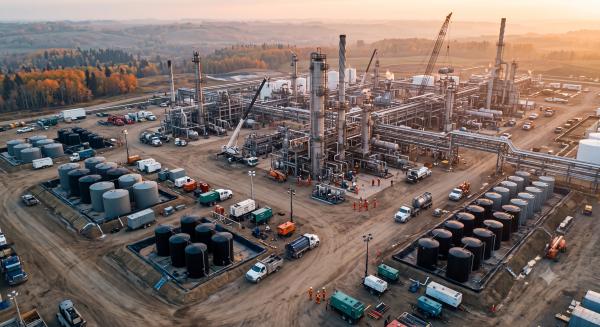
Fall turnaround rentals are temporary housing utilized during the hectic fall maintenance season at refineries, plants, and other industrial facilities. Work crews move in for a few weeks or months while big repair or upgrade projects operate on strict timelines. Many rentals are located nearby job sites to minimize commute and everyday stress. There are units available, from simple dorm-style rooms to entire houses complete with kitchen, laundry, and Wi-Fi. Some companies book crew blocks of rentals, while others let workers fend for themselves. To assist your planning, the following sections dissect important rental categories, pricing variables, reservation advice, and what to verify prior to committing to a contract.
Why Fall for Turnarounds?
Fall turnaround rentals occupy that magical intersection where weather, production, and budgets align in a pragmatic way for heavy industry, particularly oil, gas, petrochemicals, and large-scale manufacturing that depend on small, intense shutdown windows.
| Aspect | Fall Turnarounds | Spring / Other Seasons |
|---|---|---|
| Weather | Mild, more stable, fewer extremes | Higher risk of storms, heat, or late freezes |
| Planning complexity | Often simpler, fewer resource conflicts | Competes with spring projects and holidays |
| Rental equipment availability | Higher stock, more choice in units and specs | Tighter supply, higher day rates possible |
| Production impact | Can match seasonal slowdowns and winter prep | Often closer to peak output or restart pushes |
| Budget alignment | Fits fiscal year-end and new-year planning | Split across budget cycles, harder to track |
Favourable Weather
Most facilities schedule big turnarounds in the fall because the weather is typically less severe than hot summer or frigid winter. That reduces the danger of heat stress, ice or sudden storms bringing work to a standstill which keeps rented equipment earning and crews on schedule.
Stable fall weather supports safer work with sensitive equipment and hazardous materials:
- Reduced risk of wind-driven spills while loading and off loading
- More efficient control of fumes and vapors during venting and purging.
- More reliable surface conditions for cranes and elevated work
- Improved curing and drying times for coatings and linings
- Safer, steadier access for fuel, chemical, and waste trucks
Fall’s a good window, too, for weather-dependent work like outside cleaning, painting, sealing, insulation repair and roofing, that’s more difficult to do in rain or snow or extreme heat. By eliminating weather-driven delays, facilities minimize idle rental days, overtime, and re-mobilization expenses while entering winter with equipment inspected, sealed, and ready to run.
Production Demands
Fall turnarounds tend to coincide with natural seasonal dips in demand, allowing plants to shut down without impacting their most lucrative months. In oil and gas areas like Alberta and Saskatchewan, plants might schedule fall shutdowns after peak summer drilling or processing but prior to winter heating requirements kicking into high gear.
By aligning planned downtime to these dips, operators can size rental fleets more accurately. They are able to bring in only what the turnaround truly needs: temporary power, air, pumps, or housing units without stuffing capacity during robust production times.
This timing helps you evade shutdowns in the months when supply contracts are tight or margins are greatest. Rather than shutting down for mid-winter, when output is at a premium, plants leverage fall to do inspections, regulatory work and safety upgrades that must be done before cold weather, so winter goes more safely and with fewer unforeseen outages.
Fiscal Planning
A lot of companies connect fall turnarounds to fiscal year‑end or early new‑year budgets, allowing for more defined cost control and lease obligations. By securing turnaround dates ahead of time, they are able to reserve fixed prices on essential rentals and prevent last‑minute surcharges when the market gets tight.
Rental move-ins and lease renewals are actionable to be timed for big maintenance projects. A plant could allow short-term packages to expire immediately following a significant autumn shutdown, while simply refreshing the long-term resources that will sustain winter production. That path evens out cash flow and keeps spend within yearly rent increase targets, while reserving contingency for scope shifts, safety discoveries, or additional crew accommodations that arise during the work.
The Economic Ripple Effect
Fall turnaround rentals occupy the hub of a small but fierce rotation of activity and dollars and strain on housing and services. This cycle transforms local markets in ways that extend well beyond a single project season.
| Impact Area | Short-Term Effect During Fall Turnaround | Medium-Term Effect on Local Rentals and Economy |
|---|---|---|
| Rental prices | Higher daily/weekly rates near sites | Possible rent resets for new leases, tighter access for new renters |
| Vacancy rates | Sharp drop in vacant units, especially furnished | Slower turnover, fewer options for lower-income households |
| Local businesses | Strong jump in sales for food, fuel, services | Some expand capacity, others pull back after demand fades |
| Infrastructure & services | More strain on roads, transit, health, waste | Need for upgrades or new funding, sometimes higher local fees |
| Housing quality & policy | Deferred maintenance in older stock under pressure | Policy debates on rent control, empty homes taxes, and incentives |
1. Labour Influx
A fall turnaround can attract hundreds or even thousands of workers in a matter of weeks and the vast majority require short-term accommodation within 5 to 20 kilometers of the site. Hotels go first, then furnished rentals, then any tiny flats or shared houses that can be rented by the room, which sucks up inventory from local residents who may be looking at the same time. In places with rent control, owners might be wary of adding new units or upgrades, as controlled rents constrain their ability to recoup expenses quickly. Studies have correlated a steep increase in rent-controlled units with an 8 percent increase in exterior water leaks, indicating strained maintenance budgets during times of high demand. For stable tenants already in rent-controlled units, this push can even cement their edge, as they enjoy lower controlled rents while new arrivals, including turnaround staff, battle over the rest of the free-market units. That cocktail frequently results in reduced local vacancies, reduced local household mobility, and increased asking rents for anyone seeking to move in during the construction window.
2. Local Spending
Turnaround workers dine out, fuel up, purchase tools and supplies, and patronize local dry cleaners. That consistent daily expenditure can boost income for local eateries, boutiques and vacation rental providers in surrounding neighborhoods and downtown cores. When local governments implement measures such as an empty homes tax, some units that used to lie fallow between seasons may come back to market, which helps soak up some of the surge and distribute spending among more neighborhoods. Developers and investors monitor these surges and declines in card transactions and sales data to identify whether there are gaps, such as insufficient mid-range rentals or serviced apartments near industrial areas.
3. Supply Chain
Rental operators and project firms have to queue up furniture, equipment and basic fit-out supplies ahead of crews arriving, because delays can stall both housing readiness and plant work. We have many backup vendors for beds, linens, and safety gear with essential items and core items so one late shipment doesn’t stall move-ins or make workers commute several hours from a distant town.
4. Community Strain
Roads, public transit and clinics can seem congested when turnaround traffic coincides with school runs and work commutes. Parking in and around rental clusters or older apartment buildings can overflow into adjacent streets. Local governments frequently respond with temporary traffic plans, shuttle routes or time-limited parking zones, which assist, but can offload costs onto residents who didn’t request the project. Where housing is already tight, leaders sometimes pair short-term measures such as allowing more legal shared rentals with longer debates on tools like rent control or vacancy taxes, knowing that studies show mixed effects: better stability for sitting tenants, but lower supply and, in some cases, higher costs and more petty crime for the wider area.
Critical Rental Equipment
Critical rental equipment lies at the core of fall turnarounds, where work is squeezed into tight windows and the scale of gear and logistics is bigger than nearly any other industrial event. It is important to consider not only what to rent and for how long, but how it will move on and off a congested site. Examples on your typical lists include generators, compressors, light towers, aerial work platforms, air trailers, rescue kits, climate control, and dehumidifiers, all sized and timed to work packs. Critical rental equipment right-sizing those rentals and tracking actual use helps avoid rows of idle units that keep adding cost without adding value. Ground checks, underground utility locates, and basic site prep count, as frozen soil or saturated ground can delay cranes, lifts, and tanks or even make them unsafe to operate. Many sites mitigate this risk by working with rental providers that understand turnarounds, can pre-position backup units, and can schedule delivery, service, and pickup around the master schedule.
- WE KEEP YOUR JOB MOVING Light towers, generators, compressors, air trailers, aerial lifts with a reach of 14 to 41 meters, and rescue kits keep work safe and on pace.
- Climate and dehumidification units help control peak humidity levels because carbon steel can flash rust in a matter of hours.
- Essential rental equipment includes temporary power with grounding, GFCI, and daily inspections so tools, PPE, and process equipment operate without risky short circuits.
- Temporary access equipment includes mats, roads, and barriers to control soft or frozen ground and safeguard sub-surface lines.
- Critical rental equipment Monitoring and reporting tools track run hours and location, so teams can shift underused units or off-rent them quickly.
- Critical Rental Equipment backed by experienced rental operators that do the inspection, refueling and swap‑outs and help shift the fleet as the job shifts.
Fluid Management

Turnarounds tend to force big buckets of process fluids, wastewater and sometimes hazardous streams through a site in a small amount of time, making rented tanks and containment systems the heart of safe operations. Several plants even bring in high-capacity frac tanks, double-walled tanks and portable berms to hold slops, spent solvents and cleaning solutions and then stage them based on unit risk, drain paths and truck access.
Best practice is to map any transfer you do before shutdown, from first drain to final haul-off, with clear hose routes, valve lineups, labeling and secondary containment for each step. Closed transfer systems when possible, and drip trays and spill pallets at hose connections reduce the risk of pin-sized leaks that accumulate into more extensive clean-up and environmental hazards.
Modern rental fluid gear can help with both safety and compliance. Flow meters track volumes, overfill alarms alert for potential issues, gas-tight vents prevent leaks, and integrated sumps ease discharge permit reporting. Certain locations will lease filtration or oil-water separation skids so they can clean water on location and maintain disposal expenses under better control.
Hard scheduling disciplined rent equipment. By staggering tank cleaning, decanting and truck loading windows, we avoid queues that block roads and slow critical work fronts. Event-based weather shifts and heavy rain filling open berms require a clear plan for pumping, sampling, and redirecting flows that minimize downtime and risk.
Site Access
It’s a fall turnaround and the site is usually at maximum headcount, with many more vehicles, cranes, and lifts than in normal operation, so temporary access solutions are critical. Crews rely on rental access mats, portable roads, and modular bridges to traverse soft ground and protect buried utilities and haul heavy tracked equipment without rutting or soil damage. On sites with frozen or thawing soil, matting is frequently the justifiable means to render pad areas functional and maintain aerials and cranes below their load limits.
By offering rental options, the teams can tailor these solutions to unique restrictions, such as tight gates, pipe racks that limit crane swing or tanks divided by ditches. In a cramped unit, slender composite mats could perform better than massive timber mats. In a laydown area, wider haul roads might be necessary for regular truck traffic.
Thoughtful layout design prevents co-mingling of heavy equipment and foot traffic. Most teams map out basic ‘one-way’ loops for trucks, designate no-parking zones around critical lifts, and establish isolated walkways for crafts traveling between lunch tents, trailers, and work faces. Well-marked and lit routes provide safe transit while working a night shift.
Continuing access route checks are easy to forget and are essential. Supervisors or logistics leads often patrol roads and gates at every shift start to identify soft spots, broken mats, or blocked paths. Quick fixes there keep the congestion and time loss from bubbling into delayed lifts or late bundle pulls.
Power and Light

Turnarounds rely on stable power and good light, especially in fall when daylight is fading. Rented generators, compressors, and light towers require as much planning as any heavy-duty tool. Temporary power systems require appropriate grounding, GFCI protection, and daily inspections to remain within the safety rules and to protect workers in wet or metal-laden environments. Some teams even map loads by area, down to welding sets, pumps, and climate-control units. They then match those to generator sizes, cable runs, and panel locations to prevent overloads.
Lighting requires just as much consideration. Light towers need to cover walkways, scaffold decks, exchanger bays, and laydown areas without blinding operators or disguising trip hazards. In compact units, smaller LED floodlights on poles or structures can fill holes that towers cannot safely reach. Even simple things like good lighting around confined space entries, stairs, and valve galleries frequently reduce both minor injuries and near misses.
Humidity control is another power-hungry load, and it’s critical. In wet seasons, carbon steel can flash rust in a matter of hours, which can destroy surface prep and coatings work. Renting dehumidifiers and climate control units for blasting and painting areas, or instrument rooms and MCCs, safeguards not only new coating but sensitive equipment. This frequently involves providing dedicated circuits and backup generators that keep these units on even if other loads trip.
Coordinating fuel service, maintenance windows, and back-up plans with the rental provider helps keep unplanned outages from slowing work. Technicians can plan oil changes, filter swaps, and little repairs during slow times and can store spare units in proximity for critical rents such as emergency lighting, air trailers, rescue systems, and more.
Safety Gear
Critical Rental Equipment
Safety equipment rentals underpin just about every other aspect of a turnaround because nearly all work involves safe entry, hot work, or work at height. Standard rental kits feature multi-gas detectors, area monitors, fall protection, rescue tripods, confined-space winches, breathing air systems, and full PPE backups for contractors who show up without site-approved equipment. Air trailers and rescue kits hang near high-hazard access points, such as columns, fired heaters, and large vessels.
Hard rules and up-to-date gear are more crucial in a turnaround than during regular operation, due to the proximity of so many crews. Plants typically specify detection ranges, bump-test rules and calibration intervals for gas monitors and use rental units that can log exposure data for review later. For work at height or over water, many opt for harnesses and self-retracting lifelines featuring new inspection dates and easily identifiable tags to prevent mix ups at the scaffold stairs.
Training has to match the equipment on location. Brief toolbox talks and hands-on demos keep workers from having to guess in using rented gas monitors, rescue sets, and fall arrest gear. Rescue teams drill with the actual tripods, stretchers, and recovery equipment staged for an emergency, not comparable in-house gear, so they know how it handles in confined spaces.
Regular inspections maintain quality. Most turnaround teams establish a daily or shift-based inspection cycle on harnesses, lanyards, gas monitors and rescue kits, immediately pulling anything damaged or outdated from service. Working with rental partners that provide inspection, swap programs, and quick replacements simplified keeping gear up to date and compliant with local regulations and company policies.
Navigating Fall Challenges
Fall turnarounds are contingent on pinpoint timing and high cost rentals with many moving parts. Shorter days, colder weather and shifting local rental supply can push even a rock solid plan astray, so teams require clear systems, not guesswork.
Weather Volatility
Weather swings quicker in fall, so teams monitor hourly and multi-day forecasts and tie them to work schedules. Cold snaps can impact coatings, curing, and hydrotests, while sudden storms can flood laydown yards or damage rental equipment. Crews frequently construct “weather windows” into the schedule so key lifts, tie-ins or inspections shift ahead when conditions are calm.
Weathertight rentals count. Booted cable runs, insulated air compressors, climate-controlled storage and rugged lighting towers keep work on course when rain or wind blows up. Pop-up tents around critical tools, welding tables or electrical equipment reduce the chance of damage and shorten downtime after a storm.
As the forecast deteriorates, managers queue up additional pumps for dewatering, additional generators or backup lifts so work can resume quickly. Other sites have a couple of critical rentals sitting idle on standby for a couple of days, which is often cheaper than a full crew waiting around twiddling their thumbs. Track every weather delay, move and workaround with time, cost and root cause, then use it to refine next fall’s risk plan.
Daylight Scarcity
Less daylight requires stricter scheduling of work sequence and crew shifts. Critical work such as inspections, quality checks, rigging, and complex welding frequently transitions into daylight bands. Low-risk tasks transition to evening.
Night work during the fall season relies on portable lighting rentals, but where you place them and controlling glare are just as important as lumen ratings. Good lighting aids security, with certain locations having experienced a drop in crime of as much as 60 percent when dark spots diminish and entry points remain brightly illuminated.
To evaluate whether shift changes and lighting plans are effective, managers monitor productivity per hour, incident reports, and rework rates. Increased efficiency after sunrise and late-night lags frequently indicate where to reconfigure gang sizes, illumination plans, and work categories.
Logistical Complexity
Fall turnarounds travel on roads and laydown areas with active construction, including the approximately 140,000-plus rental housing units already under way in certain markets. That additional traffic is in contention for cranes, trucks, and tradesmen. Comprehensive site plans and delivery routes minimize conflicts between construction crews, residential developments, and municipal traffic regulations.
Vendor stacking requires more attention when supply chains are strained. Staggered deliveries of scaffolding, lifts, and portable power circumvent blocked gates and idle crews. This recent transition from condo-heavy development to more purpose-built rentals, now approaching a one-to-one ratio with cities such as Montréal well ahead in completions, can alleviate some pressure on long-term housing. The new units launching over the next year divert maintenance staff toward building handovers and tenant fit-outs.
Online tracking of rental assets and materials in real time aids in identifying bottlenecks and unnecessary idle units. A passionate logistics lead can offset plant demands with neighborhood limitations, such as aging locals who need quiet hours, new families moving into the neighborhood, and older blocks where approximately 25% of the units are unlivable and attract inspectors and repair crews. Increasing resident satisfaction scores in certain locations demonstrate that well-defined traffic schemes, noise mitigation measures, and improved maintenance efforts do deliver results.
Planning for Success
Planning fall turnaround rentals begins with clarity. Determine your scope, timing, and safety standards first and then fit rental options to that plan rather than vice versa. For many big sites, this implies beginning months ahead so the plan can account for each task to the hour and establish sensible budgetary and downtime boundaries.
Key engagement strategies with stakeholders include:
- Agreeing on scope, deadlines, and safety rules early
- Sharing a detailed rental schedule and equipment list
- Holding brief, regular check‑ins on performance indicators
- Setting clear lines for decision‑making and approvals
- Logging scope creep and noting when and where it impacted time and budget.
Early Engagement
Early engagement is pulling rental partners, contractors and internal teams into the same timeline once the scope is clear. For a refinery or big food plant, this could be 6 to 9 months before the fall window with preliminary equipment lists for lifts, scaffolding, light towers, compressors and temporary power. The objective is to get in writing commitments for your hot player items and critical service teams before their busy season begins, so you aren’t haggling at the last minute when prices are higher and inventory is lean. Provide all parties with a preliminary working Gantt chart or hourly work plan, then collaboratively refine it. This facilitates transparent, two-way communication and enables each supplier to understand where their gear will be on site, for how long, and under what safety guidelines. Many operators review lessons from the last turnaround at this stage: which rentals were late, which sat idle, where access was tight, where safety incidents came close, and how weather or scope creep changed the plan.
Site Assessment
An intensive site evaluation connects actual circumstances with leasing decisions. Walk the units, note access widths, grade, overhead lines, confined spaces and lifting points. This demonstrates if you require narrow electric lifts rather than standard diesel ones or smaller modular scaffolds instead of large frames. By using a checklist you can flag hazards like fall risk, hot work areas, deficient lighting or uneven surfaces and link every risk to controls as well as rental items like additional light towers, non-slip mats or gas detection units. Revise this estimate whenever the scope shifts, for instance if additional welds are being installed or additional vessels are being opened so the rental strategy remains aligned with emerging hazards and doesn’t drift into unsafe or inefficient behavior.
Contingency Plans
Contingency planning assumes failures and delays are probable, not uncommon. Build backup paths for key rentals and services: second-source vendors for critical cranes, extra breathing air sets, spare pumps, or backup generators that can be pulled in within hours if the primary units fail. For catch-up work, plan for rain delays and limited daylight. This could involve booking additional lighting and cover as well as flexible labor shifts that can transfer tasks between day and night. WEEK 7: Planning for Success. Define clear roles around who initiates each backup, who negotiates with which vendor and how modifications are recorded so that cost and scope don’t creep unnoticed. Write up all processes in a brief, convenient format, review them with crews and contractors in safety meetings, and monitor key metrics daily—equipment downtime, safety incidents, and work progress—so new issues are caught early and can be addressed before they lead to extended shutdowns.
Beyond the Shutdown

Fall turnaround rentals don’t finish when the units exit the site. It’s the post-shutdown value that truly shines through in what gets learned, fixed, and planned once the facility is back up.
Establish what made the turnaround project a success and record important results for later. Record not just whether the work completed on time, but how the rental mix facilitated or impeded that goal. For big sites, equipment rentals can run up to approximately CAD $7 million to $29 million all by themselves, and a single day’s delay in a refinery turnaround can add up to more than CAD $1.5 million in lost opportunity. A compact, candid document of what clicked, what gathered dust and where crews came up short on equipment provides a foundation for the following fall or spring session. Note how the team handled typical spring conditions as well: 3 to 8 weeks of work, with 500 to 2,000 craft workers on site, moving through tight spaces and shifting priorities.
A little beyond the shutdown, within 30 days of restart, conduct a joint review with your rental partner. Chart out which generators, heaters, chillers, and dehumidifiers were overused or underused, and where 20-80 °C temperature swings, heavy rain, mud, and 70-90% humidity caused last-minute changes. In most turnarounds, utilities, prime power, and climate control are the first categories to squeeze but frequently the last to be scheduled. This review should check that equipment removal followed scope: non-critical lighting and extra HVAC out first, then forklifts and material handling, while primary power, climate control, and backup units stay to cover final tie-ins and testing.
Think about maintenance, repairs, and future rental demand to keep things running. Recall where dehumidification was critical as a quality control process, not comfort, particularly when humidity peaked at over 80 percent and carbon steel would rust in a flash within hours. Turn those notes into easy playbooks by unit, region, and weather pattern so future goals can lock in the right mix sooner.
Count on Benoit Rentals’ reliable equipment and full turnaround support services for your next project across Alberta and Saskatchewan. Their regional base, fleet depth and support teams help match power, climate control and dehumidification to the precise scope and local weather, so each new turnaround begins with less risk and fewer last minute calls.
Conclusion
Fall turnarounds test crews, equipment and schedules. Short days, hard windows, and hard deadlines. Our plants require proper rental reinforcement to keep on schedule.
Defined objectives, regular check-ins, and strategic rental selections minimize hazard. Boom lifts, air tools, light towers, and climate gear keep work safe and steady. Great partners assist teams to pivot quickly as scope expands or contracts.
Good fall work can take gains into the shutdown. Plants go off with safer units, cleaner runs and more efficient utilization of each hour onsite. Teams develop competence and confidence.
To gear up for your next fall push, open discussions with rental partners ahead of time. Share your dates, your load, and your work zones. Let that plan direct each shift, not vice versa.
Frequently Asked Questions
Why is fall a strategic time for industrial turnarounds?
Fall brings cooler weather, steady demand, and less peak-season competition. This simplifies the scheduling of crews, rental equipment, and downtime. Many plants take fall to do their maintenance before winter or high-production periods.
How do rental equipment choices impact turnaround costs?
The right rental mix minimizes delays, overtime, and safety incidents. Dependable, clean, and serviced rentals keep crews moving and schedules on target. This reduces surprise downtime and emergency buys, which tend to be pricier than pre-scheduled rentals.
What rental equipment is most critical during a fall turnaround?
Power generation, aerial lifts, lighting towers, air compressors, pumps and climate-control units are among the staples. Many of them rent safety equipment and tents. The specific list varies depending on scope, site conditions and regulatory factors.
How does a turnaround affect the local and regional economy?
Turnarounds generate short-term need for workers, equipment rentals, accommodations, meals, and travel. This spending fuels local service providers and contractors. Efficient projects build long-term business relationships and help stabilize regional industrial activity.
What are the main fall-specific challenges during turnarounds?
Shorter daylight, shifting temps, and weather unknowns impact worker safety, visibility, and scheduling. Right lighting, climate control, and backup power rentals mitigate this risk and keep productivity going.
How should teams plan rental needs for a fall turnaround?
Begin with a well-defined scope, schedule, and manpower plan. Instead, try mapping each task to rental equipment and rental periods. Include fall turnaround rentals coordinated with a trusted rental partner to finalize availability and logistics.
What happens after the shutdown is complete?
Post-shutdown teams turn down rentals, audit returns and review performance. They review what worked, what stalled, and which rentals had the most impact. These lessons make the next turnaround better planned, safer, and more cost controlled.