
- Key Takeaways
- The Unique Alberta Challenge
- Mastering Rental Fleet Logistics
- Proactive Risk Mitigation
- The Technology Advantage
- The Hidden Financial Costs
- Choosing Your Logistics Partner
- Conclusion
- Frequently Asked Questions
- What makes rental fleet logistics in Alberta uniquely challenging?
- How can I optimize rental fleet logistics for on-time delivery?
- Why is proactive risk mitigation so important for rental fleets?
- What technology tools are most useful for rental fleet logistics?
- How do hidden logistics costs impact rental fleet profitability?
- What should I look for in a rental fleet logistics partner?
- How can better logistics improve customer satisfaction for rental fleets?
Key Takeaways
- Rental fleet logistics in Alberta means planning for seasonal weather, limited access, and remote worksites, so teams need flex schedules, backup routes, and trusted local partners. Understand site conditions and access limitations up front to avoid late delays and extra transport expenses.
- Centralized planning and schedule alignment increase usage and decrease downtime of rental fleet across multiple projects. Consider a master equipment list and coordinate deliveries with project milestones so the appropriate assets arrive where and when they are needed.
- Route verification and site preparation are necessary for safe and efficient deliveries, particularly when delivering oversized or specialized equipment. Verify road restrictions, staging areas, and ground conditions in advance to prevent haul upsets and compliance problems.
- Proactive risk mitigation and clear communication manage weather impacts, access protocols, and emergencies. Train logistics teams, standardize escalation procedures and checklists so all can respond quickly when conditions shift.
- Telematics, digital platforms, and data analysis provide more transparency into fleet performance, expenses, and operational risks. Leverage these tools to monitor utilization, optimize routing, trigger automatic maintenance notifications, and guide long-term logistics strategy.
- Underestimated financial costs like idle time, project delays, and inefficient demobilization can bankrupt your bottom line. Keep an eye on these and collaborate with logistics pros to optimize pickups, returns, and your rental fleet shuffle.
Rental fleet logistics refers to how a rental company plans, moves, tracks, and maintains its vehicles around locations. We’re talking about rental fleet logistics, including managing stock levels, vehicle utilization, inter-branch transport, cleaning, repairs, and the data flow that keeps it all in sync. Smart logistics minimizes downtime, reduces fuel consumption, and aligns the perfect vehicle to actual demand. Bad planning results in overfilled sites, extended wait times, and expensive underutilized vehicles. In some instances, they are digital, tracking live location, mileage, service dates, and booking trends. For clarity, the upcoming sections demystify core components of rental fleet logistics, with practical tips and actual examples.
The Unique Alberta Challenge
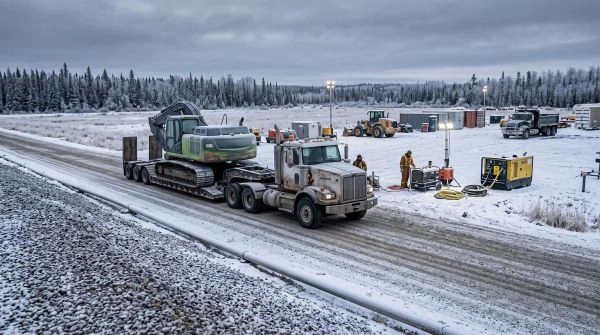
Alberta puts additional complexities on rental fleet logistics as its core industries are plagued by heavy, time-sensitive moves. Energy, agriculture, technology, and manufacturing all rely on cranes, heavy lift equipment, and special trailers that have to arrive in time and in sequence. Heavy lift and specialized transport are the quiet backbone behind much of Western Canada’s industrial work, so planning and scheduling gaps immediately manifest as downtime and cost.
| Alberta challenge | What it looks like in practice | Working solution approach |
|---|---|---|
| Harsh seasons and roads | Spring thaws, icy highways, axle limits, sudden closures | Route plans with seasonal rules, real‑time re‑routing, weather‑aware dispatch |
| Long distances and access | Remote sites, forestry roads, weight‑restricted bridges | Staggered staging yards, shuttle runs, site‑ready units with extra spares |
| Oversize and heavy loads | Multi‑axle trailers, cranes, modules over 4 m high | Custom trailers, escort trucks, engineered lift and haul plans |
| Shifting market pressures | Fuel price swings, insurance and safety rules | Live cost tracking, insurance‑aligned procedures, standard operating playbooks |
| Regulatory and environmental rules | Axle weight programs, permits, protected areas | Central permit desk, digital record trail, compliance training |
| Multiple work fronts | Several jobs needing the same gear at once | Shared digital schedule, priority rules, clear change control |
Seasonal road conditions motivate a lot of the tough decisions. Before dispatching equipment to a remote site, project teams should check current Alberta road restrictions and bans, particularly when seasonal conditions may affect allowable vehicle weights or access. Axle weight programs vary by month, and spring thaw regulations might limit what a trailer can haul on specific roads. Winter freeze-ups clear certain roads and shut others. A strategy that succeeded in July can flop in February. Schedules require padding, alternate pathways, and permits pre-authorized for multiple corridors.
Staging is crisp, too. Most sites have no flat space to stake for gear, but large jobs require cranes, support trucks and haul units queued up and prepared. Remote industrial projects may also require environmental protection equipment alongside the primary rental fleet, such as secondary containment systems for managing equipment and site-related spill risks. This drives fleets to regional yards, laydown areas near freeways and shuttle moves with smaller trucks where access is bad.
Digital tools are now the center. Alberta contractors require an end-to-end digital lifecycle to track where each unit is positioned, the impact of seasonal limits on it, and when fuel or insurance fluctuations alter their true move cost. That kind of visibility transforms what feels like a high-stakes puzzle into a planned, repeatable process.
Mastering Rental Fleet Logistics
Mastering rental fleet logistics keeps a lot of moving parts in sync. It demands transparent processes, consistent communication, and intelligent data utilization so that cars travel to where they are needed, when they are needed.
1. Centralized Planning

Centralized planning begins with a single master list for each project and site. This list covers all units: light vehicles, trucks, trailers, lifts, loaders, and any niche item a crew might need in each phase. This list should also account for specialized equipment required for specific oilfield operations, such as test separator packages, so transportation and staging requirements can be planned before the equipment is needed. With one list, planners spot gaps and overlaps quickly, eliminating duplicate bookings and keeping key assets from being overlooked during busy work.
A central fleet then monitors where every asset is, when it was rented and for what timeframe, and its service status. Telematics and simple data dashboards, for example, help show which sit idle, which work long hours and which are due for service, so dispatchers move equipment before problems slow the job. Standard forms, contracts and damage rules among rental partners reduce confusion and accelerate approvals, while our one-stop dispatching model keeps inventory moving on a predictable cadence instead of lost in disparate email threads. Many companies assign an account manager or small team to own all logistics decisions, so sites have a clear point of contact who can balance needs across locations.
2. Schedule Alignment
Mastering Rental Fleet Logistics Teams match up every delivery and pickup to milestones – ground prep, concrete pours, shutdown windows, commissioning. Equipment comes near the real start of work, not weeks ahead, and departs when done.
Transport plans change with actual demand. Holidays, weekend work, seasonal spikes and night shifts often necessitate shifted loading times or backup carriers. When schedules shift, rapid updates to drivers, site contacts and rental partners via phone, app message or portal notice prevent trucks from arriving at locked gates.
3. Route Verification
Route checks avoid last-minute surprises. Before sending, planners check weight limits, bridge regulations, low clearances and seasonal closures. Oversized or low-ground-clearance trailers require their own special permits or support vehicles, so those routes are mapped out ahead of time as well.
When loads exceed regulated dimensions or weights, carriers may need oversize and overweight permits with specific operating conditions.
Rotas are documented, communicated to drivers and supervisors, and retained in the dispatch system. Telematics and live traffic tools monitor trips in real time, so teams reroute around accidents, storms, or road bans while loads are still en route.
4. Site Preparation
Ready sites accelerate handoffs and secure drivers. Defined staging areas, delineated by signs or cones, provide space for unloading, inspection, and immediate parking. Ground checks assist in determining if a surface can sustain heavy truckloads and trailers or if mats or gravel pads may be required to prevent damage.
Active worksites require basic check-in, escorts, and parking policies so trucks don’t obstruct cranes, fire lanes, or public roads. A quick confirmation call or message prior to each delivery or pickup ensures gates are open, space is clear, and personnel are available to sign paperwork.
5. Coordinated Delivery

With coordinated delivery, we mean scheduled time slots rather than haphazard arrivals. Loads are spread out throughout the day, which limits bottlenecks and reduces driver wait time. For remote or rugged locations, most operators prefer drivers who are familiar with local road conditions, fuel stops, and simple recovery measures and who know when enclosed or open transport is preferable for high-value units.
These digital tracking tools provide live locations and arrival estimates to site teams, so they can queue up forklifts, inspectors, or operators. At handoff, staff inspect the vehicle condition, fuel level policies, and any wheel straps or tie-downs utilized. They then log photos or notes in a common platform.
6. Active Communication
Active communication connects logistics teams, drivers, sites, and rental operators via transparent channels like shared apps or dispatch platforms. Contact lists and escalation steps assist in resolving problems quickly when delays, route bans, or weather issues manifest.
Short daily or weekly briefings flag risks, major schedule changes and safety notes, keeping expectations realistic and internal teams less frazzled about fleet relocation needs.
7. Diligent Tracking
Diligent Tracking leverages telematics, GPS, and straightforward reporting to monitor unit location, run hours, fuel consumption, and idling. It informs where to rebalance units, when to schedule service, and which assets may no longer belong in the fleet. Condition reports at delivery and pickup, supported by photos, shield all parties from conflicts and maintain resale value. Rental logs that display start and end dates, site moves, and usage patterns further aid precise billing and more assured planning for the following project wave.
Proactive Risk Mitigation
Proactive risk mitigation in rental fleet logistics is about identifying risks early and implementing controls before they impact uptime, safety, or cash flow. It connects data with training and planning so issues are prevented, not just corrected.
A simple checklist helps keep the process consistent across sites and regions:
- Map key risks: access limits, weather, theft, breakdowns, compliance and driver fatigue.
- Gather data from telematics, maintenance records, and driver feedback.
- Monitor leading indicators such as near-miss reports, harsh braking and predictive fatigue scores.
- Set controls: driver training, clear routes, buffer time, maintenance plans, and backup vehicles.
- Review risk reports on a regular cadence and tune policies.
- Check insurance, papers, and emergency contacts for every project.
- Stay ahead of penalties with compliance to local laws and industry standards.
It reduces accident costs, accelerates post-incident recovery, and fosters a culture in which teams proactively voice risk instead of concealing it.
Weather Contingencies
Weather risk begins with time. Proactive risk mitigation. Fleet planners build extra buffer into delivery slots during winter, heavy rain seasons or spring thaw when roads may be soft or weight-restricted. A 2 to 4 hour buffer on vital moves frequently means the distinction between an on-time crane setup and an all-day delay.
Vehicles must suit the weather. Fleets deploy trucks with winter tires, chains when permitted, heated trailers for delicate equipment, and refrigerated trucks for things like chemicals that need to be kept in a tight temperature range. These specifics minimize accident risk and safeguard shipment value.
Safe parking or staging areas are pre-mapped through route surveys and local feedback. Sites select lots away from flood zones, steep slopes or high-wind areas so drivers have a precise location to wait should roads shut. Weather plans and risk levels are shared early with customers, dispatch and drivers so no one is surprised when the schedule shifts.
Equipment Redundancy
Equipment redundancy addresses the harsh reality that trucks and trailers break and demand surges. Proactive risk mitigation operators maintain a reserve pool of core units—flatbeds, lowbed trailers and essential support vehicles—so that one breakdown does not bring to a close a job site that’s standing by on a 40-ton excavator or power generator.
Spare units don’t rot in a warehouse. Unused assets shift between depots, using utilization data extracted from telematics and booking systems. If any region runs above 85 to 90 percent utilization for multiple weeks, planners can either rotate in additional units or induce short-term leases.
Agile agreements with multiple rental partners provide additional space to grow. If one supplier is booked solid, another can handle an impromptu pipeline project or emergency repair job. By periodically monitoring usage, breakdown rate, and near-miss trends, you’ll be able to identify when your current pool is no longer sufficient or when it’s time to retire older assets for safety or cost reasons.
Access Protocols
Access risk increases at remote, congested, or ultra-secure locations, where one unsuccessful entry can result in losing an entire driving shift. Rigid controls begin with vetted vehicle registration and driver identification, recorded in the dispatch system and communicated to site security ahead of time.
Site managers distribute permits, gate codes, and route maps with explicit instructions on where to line up and unload. Drop-offs and pickups are coordinated with site hours, shift changes, and curfews to prevent bottlenecks at narrow gates. Drivers receive quick, targeted training on location-specific rules, PPE, communication protocols, and emergency procedures, so they know who to contact and how to respond if access is refused or an incident occurs.
The Technology Advantage
Technology in rental fleet logistics connects vehicles, people, and data in a single view. It transforms piecemeal journeys and resources into an ecosystem that operates with reduced inefficiency, greater security, and greater oversight on expenses.
Telematics
Telematics units stream live data on location, speed, fuel burn, engine hours, and even brake use into a unified dashboard. This assists rental teams in knowing what’s on the road, what’s onsite, and what’s idle without phoning drivers or site contacts.
- Real‑time visibility of every asset’s location and status
- Accurate data on fuel use, engine hours, and mileage
- Better safety oversight through speed, harsh‑braking, and route data
- Lower unplanned downtime through condition‑based maintenance
- Stronger control over misuse, theft risk, and off‑hour use
Armed with this information, route planning is no longer a shot in the dark. Planners can cluster close deliveries, prevent return trips, and choose paths to bypass stagnant traffic, which lowers fuel consumption for trucks that drive hundreds of miles each day. Newer engine control modules introduce granularity on load, idle behavior, and style so managers can coach safer, smoother driving.
Automated alerts notify teams if a truck departs an authorized route, operates beyond rental periods, or exhibits engine trouble indicators. This enables 24/7 roadside assistance and quicker response when they call in an incident. Regular reports on utilization, downtime, and maintenance backlog provide a transparent perspective on which units are earning their keep and which need to be rotated or sold.
Digital Platforms
Home-based booking centralized tools allow sales, dispatch, and site teams to operate within a single platform. One system can display inventory, date availability, and planned returns, allowing staff to align the right unit to each job and provide flexible terms like daily billing or short-term cut-off options when projects shift.
Real-time tracking links every rental order to live move status. Operations teams know when a truck departs the yard, arrives on site, or queues at a gate. This reduces back and forth calls and enables precise ETAs.
With mobile access, drivers and site contacts receive instructions, upload delivery condition photos, confirm drop-off, and record damage at handover. When this same platform connects to billing and accounting, meter readings and engine hours go directly to invoices, reducing conflicts and sharpening cost management.
Data Analysis
- Identify well-defined questions and KPIs, such as idle time, fuel per 100 kilometers, utilization, and on-time rate.
- Collect and scrub data from telematics, booking tools, maintenance logs, and financial systems.
- Analyze patterns by route, driver, customer, and vehicle type.
- Try out changes, like new routes or service intervals, and compare results.
- Turn findings into simple actions, deadlines, and owners.
Follow KPIs over months to see which trucks sit idle, which routes burn the most fuel and where maintenance costs increase. Advanced rental platforms display fleet utilization by day or by project, so managers can scale fleet size up or down during seasonal peaks or slow downs, rather than locking cash in underused units.
These insights allow it to negotiate better terms with fuel providers, tire vendors, and even OEMs. Rental businesses can polish pricing by use pattern, distance band, or service level, protecting margin while keeping deals fair and transparent for customers.
Shared reports provide logistics managers and executives with the same fact base. From there, they can determine where to provide 24/7 support, which depots to merge, and how to refine the mix of owned versus rented units.
The Hidden Financial Costs
Hidden costs in rental fleet logistics often extend well beyond the monthly rental or lease rate. Contract fine print, idle equipment, administrative delays, unexpected damage, and rushed demobilization can all increase the total cost of operating a rental fleet.
| Cost Area | Typical Hidden Elements | Example Financial Impact |
|---|---|---|
| Leasing & Finance | GST/HST, financing charges, administrative fees, contract fees, and other added costs | $4,000–$12,000 CAD per vehicle/year |
| Usage & Wear | Excess mileage, damage and wear penalties, cleaning, repairs, and refit fees | $1,500–$3,000 CAD |
| Insurance & Risk | Premium increases, deductibles, incident-related downtime, and claims costs | $1,000–$2,000 CAD |
| Admin & Decision Delays | Manual tracking, slow approvals, inefficient processes, and poor data visibility | $10,000–$25,000 CAD per fleet/year |
| Demobilization & Surplus | Extra rental days, transportation, storage, and reduced resale value | $1,900–$2,200 CAD over 5 years |
These costs can be easy to overlook when comparing rental or lease rates. A seemingly affordable rate may become much more expensive once taxes, administrative charges, equipment downtime, excess usage, and transportation costs are factored in. Full-service leases can also limit flexibility when projects change, making it important for Canadian businesses to review the complete cost structure before committing to a long-term agreement.
For companies operating across Alberta and other remote regions, understanding these additional costs can make a significant difference. Careful tracking, clear rental agreements, proactive maintenance, and efficient equipment demobilization can help keep fleet expenses predictable while reducing unnecessary spending.
Idle Time
Idle time is among the simplest costs to observe and the most difficult to remedy. Trucks and trailers parked on a yard or job site accrue rental, insurance, tax, and admin overhead even when the engine is shut down.
Monitoring idle units on a daily, rather than monthly, basis provides a clearer image. Basic telematics or digital check-in sheets can identify units with no ticks for 3 to 7 days, so crews can choose to off-hire or relocate them.
Moving underutilized assets to high-need locations assists in reducing new leases. A trailer sitting at one project can serve to fill peak demand at another rather than open up another leased unit.
Frequent fleet reviews, even brief weekly calls, bring to the surface excess equipment, sluggish initiatives, and resources that can be redeployed prematurely. When project managers communicate schedule changes with rental operators immediately, they can extend, swap, or off-hire units before idle days accrue.
Project Delays
Delays convert scheduled rental days into unscheduled rental days, which typically come with a higher price tag. A small time cushion in logistics schedules can account for weather, site access problems, or late permits without introducing another week of rental.
Telematics, GPS and even just simple digital logs assist in tracking down the true source of tardiness. If trucks sit for 2 hours at a gate or cranes wait for missing materials, that delay has an obvious cost per hour.
Close coordination with contractors, suppliers and rental companies keeps schedules aligned. Shared calendars, daily progress notes and agreed cut-off times for changes minimize last-minute shifts that add extra days and rush charges.
Tracking each delay, its root cause and its cost leads to improved predictions. Across several projects, this data reveals which activities, vendors or paths are causing the most rental overruns, so you can plan accordingly.
Demobilization

Demobilization is where a lot of those hidden costs end up, particularly if you start planning too late and if the full-service lease rules remain ambiguous. When a project delays handover by a week and the fleet team doesn’t shift off-hire dates, those days add up along with excess mileage or wear and tear penalties that weren’t budgeted. Some fleets discover that these hidden fees from demobilization alone amount to $2,500 to $6,000 per driver per year while recapture rates throughout a truck’s first five years can add up to $1,900 to $2,200 and remain invisible until the closing statement.
Close coordination of site closure plans and pick-up dates reduces downtime. If equipment goes out within 24 to 48 hours of last use, you don’t pay for a “ghost fleet” just sitting waiting for trucks.
Thorough cleaning, inspection, and detailed documentation upon return safeguard resale value and limit damage claims. Good records assist in pushing back on unfair charges and display patterns that guide future spec’ing or driver training.
Digital contract management tools that track contract terms, notice periods, and off-hire confirmations reduce the likelihood of missed deadlines and manual error. They minimize the unseen admin expense of postponed decisions, which research has estimated at 10,000 to 25,000 USD per fleet annually.
Choosing Your Logistics Partner
Selecting a logistics partner for a rental fleet isn’t just a check-the-box procurement phase. It’s a decision that defines uptime, cost, and risk across your sites for years to come, particularly in a large country with long distances, severe winters, and isolated work locations.
A good rental partner in Alberta requires more than a warehouse and a phone line. Search for expertise, not just a footprint. We’re talking actual experience in oil and gas, construction, utilities, and mining, and a proven history of getting equipment through winter storms and high seasons. A wide and deep equipment range matters too: light towers, pumps, compressors, generators, earthmoving, and site support gear in enough volume to cover both steady work and short, sharp spikes in demand. For oilfield and industrial projects, that range may also include specialized equipment such as flarestack systems, depending on the project’s operational requirements. Strong local presence means branches near major hubs, satellite yards closer to remote projects, and technicians who know the local rules and weather, not a call center in another state or country guessing at road bans or freeze-thaw cycles.
Transportation is where network constraints manifest quickly. Don’t just settle with rate sheets. Check the actual haulage assets: custom trucks for oversize loads, low-bed and tilt-deck trailers, and specialized units that can reach remote or rough sites. Inquire about how they service interprovincial long-haul lanes and remote camps in winter when the roads close or loads must be escorted. A partner with good coverage on one lane but light in another can leave a vital site underserved. Nothing beats a nationwide network with trained, professional drivers and real winter experience when it comes to providing more reliable lead times and safer moves.
Fleet management shouldn’t be one-size-fits-all. Don’t dilute your vendor mix with rentals, hauling, and service from a bunch of small vendors. That model frequently translates to more handoffs, more invoices, more updates to pursue, and more strain on your internal team when plans change. One logistics partner with scalable solutions can centralize coordination, provide more transparent shipment tracking, and align fleet planning with maintenance, residual value, and uptime support. When you compare, don’t just compare haul rates and day rates. Consider total cost of ownership, including downtime, maintenance risk, winter reliability, and how quickly they swap or repair failing units. The right partner brings hands-on expertise and industry-specific support that flexes to fit your sites — not the other way around.
Conclusion
To manage rental fleet logistics in Alberta, theory doesn’t cut it. Weather wallops. Roads are long. Demand moves quick. Little planning holes become big cost and stress holes.
That’s where the real edge is: strong partners, clear data and tight yard control. Good tech won’t save lousy process. It supports an intelligent strategy. That’s all about defined jobs, accurate information and quick actions for collection and delivery.
Most fleets remain mired in fire drill mode. It lurks in tow bills, rush runs, and lost faith.
To get going, spank your own system. Identify a loose chain. Maybe it’s yard flow or late returns or bad trip plans. Start there and try one easy tweak the next time you go.
Frequently Asked Questions
What makes rental fleet logistics in Alberta uniquely challenging?
Alberta’s distances, weather, and project locations lead to complicated routing and scheduling requirements. Fleets need to navigate rough terrain, seasonal access roads, and unexpected weather while maintaining tight project schedules and safety standards.
How can I optimize rental fleet logistics for on-time delivery?
Employ real-time tracking, route planning tools and maintain clear communication with sites. Streamline check-in and check-out and maintenance. This minimizes hold-ups, eliminates double-booking and makes certain the appropriate equipment shows up punctually and in good working condition.
Why is proactive risk mitigation so important for rental fleets?
Active risk mitigation averts expensive breakdowns, crashes, and downtime. Routine inspection, driver training, weather planning, and compliance checks minimize downtime, evade fines, and safeguard individuals and equipment. This in turn directly enhances dependability and job margin.
What technology tools are most useful for rental fleet logistics?
Telematics, GPS tracking, digital inspection apps and fleet management software are key. They offer live location, usage reports, maintenance alerts and digital logs. This empowers data-driven decisions, asset control and quicker response times across the rental fleet.
How do hidden logistics costs impact rental fleet profitability?
Silent expenses such as idle equipment, extraneous kilometers, fuel waste, emergency call-outs, and overtime are significant. Bad planning and manual processes tend to be the culprit. Pinpointing and reducing these costs can do wonders for margins without increasing rental rates.
What should I look for in a rental fleet logistics partner?
Search for demonstrated rental experience, best safety record, around-the-clock support and cutting edge fleet technology. Look for transparent pricing, clear KPIs and case studies in your environment or industry. This guarantees dependable operation and anticipated expenses.
How can better logistics improve customer satisfaction for rental fleets?
Dependable logistics leads to on-time delivery, well cared-for equipment, and hassle-free pickups. Customers experience fewer delays, less downtime, and clearer communication. This establishes trust, repeat business, and long-term relationships with project managers and site teams.