
- Key Takeaways
- Confronting Freeze-Up Risks
- Essential Winter Rental Fleet
- Advanced Equipment Technologies
- Strategic Winterization Planning
- Optimizing On-Site Operations
- Your Winter-Ready Partner
- Conclusion
- Frequently Asked Questions
- How can I prevent freeze-up in my rental equipment during winter?
- What rental equipment is most critical for freeze-up protection?
- How do advanced technologies help avoid freeze-up issues?
- When should I start planning winterization for my rental fleet?
- What on-site practices reduce freeze-up and downtime?
- Can rental partners help design a winter freeze-up strategy?
- How do I choose a rental provider for winter-ready equipment?
Key Takeaways
- These freeze-up risks can be managed by evaluating at-risk systems ahead of time, developing checklists and planning freeze-up rental equipment reserves to respond to frozen lines, equipment failure and site access concerns. This minimizes downtime and keeps operations safe and compliant during extreme cold.
- Protecting lines, machinery, and workers means insulation, winter-grade fluids, heated shelters, and clear safety training. Consistent monitoring, recording, and maintenance logs identify repeated issues and inform smarter decision making for future winters.
- Freeze up rental equipment A winter-proof rental fleet of heaters, generators, lighting towers, and ground thawing equipment. By matching freeze-up rental equipment specifications to freeze-up site size, power requirements, and weather, you avoid overloading a system and burning excess fuel.
- Innovations like smart sensors, special material coatings and enhanced fuel systems help make rental equipment freeze-up resistant. Tracking the performance of these technologies over multiple seasons provides data backed investment and planning.
- Strategic winterization planning must encompass early delivery of rental equipment, secure fuel management, and transparent contingency plans for harsh weather or equipment failure. Routine plan reviews and tabletop exercises help teams respond quickly and confidently when conditions shift.
- Daily inspections, targeted operator training and established safe shutdown procedures make freeze-up rental equipment on site operations run smoothly and safely. Connecting with seasoned winterized rental partners guarantees you fit-for-purpose equipment, technical expertise and adaptive solutions as site conditions change.
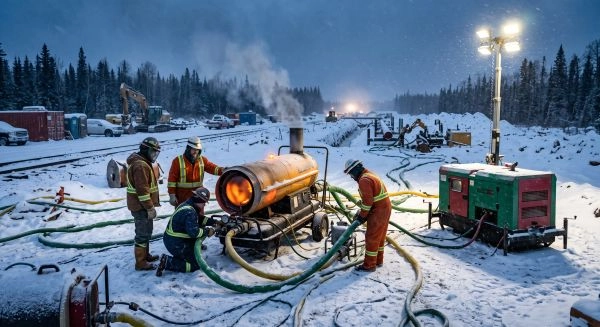
Freeze-up rental equipment refers to the equipment and tools that assist in preventing freeze-up in pipes, lines, and systems in cold or harsh weather. A lot of renters deploy it on construction sites, industrial plants, oil and gas jobs, and even short-term events in the cold. Popular examples are portable heaters, heat tracing equipment, thawing units, and hose and valve covers. It aids in reducing freeze-up. Often, renters prefer to rent short-term versus buying, as freeze hazards vary dramatically by season and occupation. The following chunks outline essential categories, primary applications, precautions, and easy tips to choose the appropriate configuration.
Confronting Freeze-Up Risks

Freeze-up rental equipment has to fit into a broader cold weather strategy that encompasses production, safety, and fire protection. Alberta’s oilfield and industrial sites face freeze-up risks that include frozen process lines, ruptured fire protection piping, disabled pumps, blocked access, and increased injury risk as crews work in ice and wind.
The Government of Canada explains how temperature and wind combine to affect cold exposure and provides wind-chill risk levels.
1. Frozen Lines
Freeze-up can stop flow, crack pipes and flood structures when it thaws. Insulate any exposed water, chemical and fire protection lines and pay special attention to dead legs, low spots, valves and fittings where ice first tends to form. Fire systems in non-freeze areas require equal attention since a single cold snap can pop a pipe and flood a plant or camp with thousands of cubic feet of water.
For riskier runs, include electric heat tracing or line heaters, and test control and breakers are marked and functioning. When cold snaps hit, check line temperatures at a minimum of once per shift, and note readings in a basic log so trends and trouble spots are obvious. Maintain a current map of all exposed lines, even rental hose runs and temporary fire systems, so crews know where to inspect and how to isolate flow if something goes down.
2. Equipment Failure
Confronting freeze-up risks Cold starts are hard on pumps, compressors and diesel engines. Winter equipment maintenance reduces both failure rates and long-term repair bills. Prior to freeze-up season, check belts, hoses, electrical connections, batteries and guards. Replace weak components rather than wait for a breakdown at −20° C. Face freeze-up hazards with winter-grade greases, hydraulic oil and fuel of the anticipated lows since thick fluids make moving parts lag and safety systems trip.
When idle, park vulnerable rental units in heated enclosures or with approved temporary heaters after establishing explicit separation standards and monitored thermometers. Maintain an easy maintenance log that records cold-weather work and freeze-up problems so trends emerge and rental decisions get better with experience.
3. Site Access
If trucks, fire crews, or service techs can’t get to the site, even the best freeze-up equipment in the world won’t do much good. Address freeze-up hazards by removing snow and chipping ice from access roads, walkways, and staging areas at least once a day, especially on slopes, bends, and loading areas. For soft or polished ground, cover it with matting or a gravel cap to prevent slip hazards and minimize rutting during surface thaw.
Prepare site vehicles with winter tires, chains where permitted, and basic emergency kits with blankets, high-visibility gear, and a shovel, which are critical for remote pads. Determine and tag alternative trail entrances if roads or trailheads drift in or flood during a quick melt.
4. Worker Safety
Cold stress impairs your reflexes and increases the risk of errors near moving equipment. Offer insulated PPE that fits the job, including gloves that don’t restrict tool use, and heated break shelters near work fronts allowing crews to warm up without a long trek. Teach workers to recognize early symptoms of frostbite and hypothermia in themselves and others, and connect that training to your EAP so they know who to contact and what to do.
When it gets really cold, mandate shorter work cycles with more warm-up breaks and support this in supervisor checklists. Flag freeze-up dangers such as stairs, ladders, and platforms with obvious signage and high-grip treads and enable anyone to report hazards immediately.
5. Project Delays
If cold weather or freeze-up controls are required, they are likely to slow work, so schedule slack is needed from the get-go. Build in buffer time to critical work that relies on water, fuel, or intricate equipment, and communicate straightforward weather triggers for when work will stop or shift. Work with vendors on flexible windows and backup carriers should roads close, and maintain a small inventory of high-risk parts on site, such as hoses, gaskets, valves, and heat trace components.
Fire protection systems and diesel fire pumps deserve extra attention. Maintain about 4°C in buildings and around 21°C in pump rooms. Use temporary heaters where needed, and monitor room and tank water temperatures every day if no low-temperature alarms feed a staffed control point. Have EAP teams watch forecasts each day and understand actions to take if a line or tank begins freezing, how to close valves, move equipment, and water discharge so a single rupture does not stall the entire project.
Essential Winter Rental Fleet
Key freeze-up rentals usually include:
- Heaters (indirect-fired, hydronic, ground-thaw units)
- Generators and distribution panels
- Light towers and portable task lights
- Ground-thaw blankets and insulated mats
- Scissor lifts, telehandlers, and backhoes
- Salt spreaders and snow blowers for access routes
Pair each unit with site size, power draw and weather. While your compact urban site may get by with a few 25 kW generators and two light towers, your remote industrial site may require multiple 100 kW units, longer cable runs and higher-mast towers to cut through fog, snow and blowing ice. Ensure that all rentals are winterized, inspected, equipped with cold-rated fluids, batteries and hoses. Be prepared to scale add-on capacity so you can deploy additional heaters, lifts or power when a cold snap hits.
Heating Solutions
For enclosed areas with staff, use indirect-fired heaters. For open slabs, use direct-fired or radiant heaters. To protect concrete pours and buried utilities, use hydronic or ground-thaw. Wintry-weather construction gear is essential in sub-zero air temperatures because freezing can break down concrete and spoil stockpiled materials.
Position heaters so warm air blows across work areas and not directly outdoors. Direct outlets away from combustible inventory, maintain a clear area around inlets, and run ducting under temporary walls if you can.
Monitor fuel level and flame status at scheduled times each shift. Some renters combine heaters with burner management systems to improve monitoring and control of heating equipment. Observe safety precautions concerning ventilation, exhaust routing and carbon monoxide monitoring. Keep regulators and hoses away from ice and sharp edges.
Power Generation
Begin with a load list in its entirety, additive current for large motors, tower cranes and pumps. Set aside some room for new tools and winter startup loads.
Opt for generators with cold-weather kits, block heaters, and automatic start so they can restart after brief outages or nighttime dips. Mission-critical systems, such as site offices, curing heaters, and dewatering pumps, need a backup unit or at least quick-connects to swap sets fast.
In the winter, check oil level, coolant, and fuel quality more often. Chilly temperatures and extended sit times can form water in tanks. Thus, a lot of locations utilize fuel with additives and do weekly visits.
Site Illumination
About: Critical Winter Rental Fleet Keep work, laydown, and access paths safe through long winter nights with light towers. LEDs or other high-output fixtures reduce power draw, start nicely in the cold, and wear better while shaking and shipping.
Position towers to light from the perimeter in. This minimizes harsh glare and deep shadows around cranes, scaffolds, and equipment like scissor lifts or telehandlers. AIM takes place in the airspace above runways, taxiways, loading zones, and any area with operating equipment.
As snow drifts or the layout changes, stroll the site at twilight, test for blind spots and reposition mast elevation and tilt. Great lighting enables spot checks on items such as tire pressure, which diminishes in the cold and needs to be checked daily on lifts, backhoes and trucks.
Ground Preparation
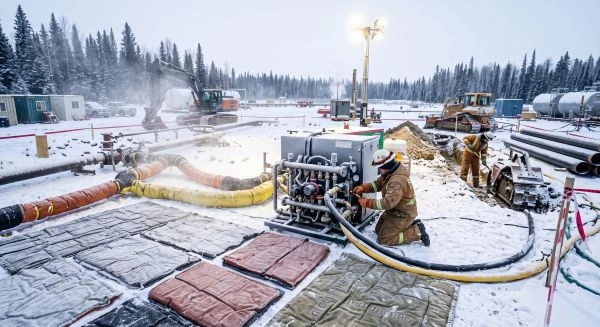
Utilize ground-thaw units and heated blankets to open frozen soil for trenching, utility tie-ins, and foundation work. This category of winter-only equipment keeps excavation moving as frost depth increases and helps prevent freezing of concrete during early cure.
Drape insulated mats over cured slabs, pipe runs and high-traffic walkways so frost doesn’t creep into sensitive zones. For busy walkways and loading ramps, sprinkle with sand or appropriate de-icers to reduce slip hazards for employees and wheeled equipment.
Track surface and subgrade conditions daily. Tweak melt schedules, mat coverage, and application rates when temps fluctuate, snow piles up, or work zones grow. Renting ground gear, heaters, generators, and even spring-critical units in winter can be economical and sidesteps off-season storage and maintenance hassles.
Advanced Equipment Technologies
Advanced freeze-up rental equipment goes beyond heaters and covers. A large number of units are OEM-built for rental fleets, with premium components, rugged housings and embedded lift frames that facilitate winter placement on tight jobsites or rooftops. Remote monitoring, quick connects and integration with building control systems are more commonplace, allowing teams to maintain equipment safely and efficiently without standing beside it in -20 °C wind.
| Feature / Aspect | Standard Winter Gear | Advanced Freeze‑Up Technology | Cost Impact (approx.) | Main Benefit |
|---|---|---|---|---|
| Monitoring | Manual checks only | Remote monitoring, smart alerts, trend logs | Medium | Faster response, less downtime |
| Connections | Basic hose/fitting sets | Quick connects, altered fittings for faster hook‑up | Low–Medium | Shorter setup, fewer leaks |
| Integration with building controls | Stand‑alone | Designed for BMS / control system tie‑in | Medium | Tighter temp control, lower energy use |
| Build quality | Light-duty, mixed materials | High‑grade metals, rental‑grade frames, designed for regular heavy use | Medium–High | Longer life, better reliability in harsh weather |
| Application focus | General heating or pumping | Modified for temporary winter use, pipe freeze protection, fluid handling | Medium | Better fit for short‑term, job‑specific needs |
Smart Sensors
Smart sensors are at the center of state-of-the-art winter rigs. Temperature and humidity probes hang on exposed piping, tanks, and enclosures, frequently in runs exceeding 10 to 20 meters, so they follow cold spots in real time instead of estimating from a single thermostat. Most systems connect these sensors to cellular or cloud platforms for remote monitoring, which reduces site visits and allows managers to observe trends from anywhere.
Auto-alerts constitute the next layer. Users establish surface or air temperature thresholds and receive text or app alerts when readings fall toward freeze risk or leap in a manner that suggests a leak or heater malfunction. That keeps night and weekend crews from depending on manual rounds and it can integrate into building control systems that start backup heaters or increase flow automatically.
Sensor data is valuable when tuning heating and insulation. Logs indicate which pipe branches always run colder, which tanks cool quicker, and when doors or hatches open enough to make a difference. Teams can relocate insulation, add local heat trace, or adjust control setpoints based on real numbers, not habits or guesses. Over multiple winters, crews can compare these log files, record fewer freezing events, and accumulate a data file that justifies budget proposals for higher-end rental units or yearly fleet upgrades.
Material Coatings
Surface coatings provide an additional level of freeze protection. Anti-icing and hydrophobic coatings are applied to stairs, handrails, spill containment, exposed frames and even select hose assemblies to reduce ice accumulation and facilitate snow removal. On rental equipment, tined plates and guards protect the steel from repeated thaw-freeze cycles and de-icing chemicals, allowing the equipment to stay durable through multiple seasons of operation.
Coating selection requires a bit of attention. Products have to correspond with the substrate, whether it is galvanized steel, aluminum, or composite, and conform with local environmental regulations, particularly in proximity to water or food venues. A lot of rental fleets standardize on a few coating types so refinish work remains easy and uniform. Reapplication is generally related to manufacturer directions and actual abrasion. Heavy-use walkways might require touch-ups every season, and vertical panels can go multiple years.
Coated parts to remain on normal inspection routes. Crews look for peeling, dulling, or exposed base metal and observe if ice still adheres in trouble areas. Taken year over year, these notes indicate which coatings justify their expense and which areas would be better served by physical guards, trace heating, or design modifications instead of additional layers of spray.
Fuel Systems
Cold weather slams fuel systems, so advanced configurations emphasize storage and flow hard. Insulated or heated fuel tanks prevent diesel from gelling, and certain rental units come with tank skids that feature electric or glycol heat tracing integrated into the frame. Hoses and filters can sit inside little cubbies, sometimes with hydrophobic coatings and quick connects, so swaps spill less and take less time in bad weather.
Using the right fuel blend is just as important as tank design. A lot of sites switch to winter-blend diesel with lower cloud points or include approved anti-gel additives when it’s below −10 °C. Where rules permit, synthetic or lighter fuels power smaller heaters or generators that need to start up even after extended downtime.
| Fuel Option | Typical Use Case | Low‑Temp Behavior (approx.) | Notes |
|---|---|---|---|
| Standard diesel | Mild winters, indoor units | Gels near −7 to −12 °C | Riser and return lines at higher risk |
| Winter‑blend diesel | Outdoor heaters, generators | Better flow below −20 °C | Often supplied regionally in winter |
| Diesel + anti‑gel | Transitional seasons, mixed fleets | Improved pour point vs. base diesel | Needs careful dosing and mixing |
| Synthetic fuel | Critical backup power, remote sites | Stable at very low temperatures | Higher price, but strong cold start |
Fuel rotation minimizes microbial growth and degradation. Sites monitor delivery dates, first burn the oldest stock and prevent partial tanks from sitting through seasons. Remote monitoring on advanced fuel skids helps by logging level, temperature and even filter differential pressure so teams can identify slow flow issues before a heater starves. Over time, recorded fuel data, start failure rates and maintenance logs indicate whether the upgraded tanks, blends and fittings are reducing downtime sufficiently to warrant the additional rental fee.
Strategic Winterization Planning
Strategic winterization planning is about organizing rental gear, people and processes so equipment, machinery and buildings remain secure and functional as temperatures fall. It mitigates freeze-up risk, minimizes downtime, and helps maintain operations and service in brutal winters.
A solid plan begins with a site-specific risk review. Map out all assets that could freeze: water lines, pumps, temporary heat, diesel engines, power distribution, and high-value structures. Mark cold spots, wind exposure, and historic trouble areas. Then set clear roles: who checks rental heaters, who handles fuel, who calls the rental provider in an emergency, and who signs off that systems are winter-ready. Refresh this plan every year post-winter, capturing lessons learned and folding them into the next season. Train new or rehired staff if you have seasonal layoffs, so they know how to operate and safeguard winter rental equipment from day one.
Plan ahead with rentals. Provide site maps, power and heat loads and access restrictions. Set service levels, after-hours callout rules, and spare units for high-risk systems. Be sure the plan includes materials and consumables, such as hose, tarps, fuel additives, filters, and spare cables, so work doesn’t grind to a halt because basic parts are missing.
Early Delivery
Plan freeze-up rental equipment to be there well before temperatures stabilize under 0 °C. I would strive for a buffer of at least a week or two so you can make your setup without having to rush in the nasty weather.
Secure delivery slots in writing and extend weather-related and road ban buffers. When the gear shows up, inspect and test it right away. Run heaters, check power output, confirm alarms and safeties, and note serial numbers and any damage. File claims immediately so that replacements come before the cold.
Until you use them, keep units in covered, dry locations if possible. Even rental equipment stored outside should be elevated and protected from snow, ice, and freezing rain to reduce corrosion and start-up issues.
Fuel Management
Fuel planning is frequently where freeze-up jobs go south. Begin by inventorying all fuel-burning units—indirect heaters, boilers, generators, light towers—and approximate run hours and load so you can project total fuel needs for a typical day and period of peak cold.
Plan ahead for the winter. Set up bulk deliveries with a provider who knows winter in your location. Make sure you’re using tanks rated for your climate, with secondary containment and proper vents. For diesel, switch to the appropriate winter-grade fuel and consider some anti-gel additives. Some equipment needs special care. Diesel can wax and plug filters. Hydraulic fluid can turn thick and sluggish, which affects both performance and safety.
Track consumption with dip checks or meters and establish specific re-order levels, not “we’ll see when it gets low.” In colder areas, you want to strategically plan for higher minimum tank levels so you can push deliveries later. Have spill kits near every fueling point, train your staff in easy spill steps, and keep written procedures nearby so a small leak does not escalate into a major event.
Contingency Plans
Back-up plans keep a cold snap from becoming a full shutdown. Start by ranking critical systems: life-safety heat, freeze protection for fire lines, key process lines, and main power. For each, document what happens if the primary rental unit goes down or if weather blocks access for days.
Arrange backup rental vendors and pre-approve at least one backup model for every vital piece. If your primary supplier is backordered, you know who to call next and how much power you will settle for.
- Local and regional rental houses (24/7 numbers)
- Fuel suppliers and emergency delivery contacts
- Electrical and mechanical service contractors
- Site supervisors and decision‑makers
- Utility providers for power and gas interruptions
Conduct basic tabletop exercises ahead of winter with supervisors, maintenance, and rental reps. Walk through a simulated failure, agree on triggers for switching to backup, and adjust checklists. It keeps your response cool, swift, and uniform when real gear goes down in below-zero conditions.
Optimizing On-Site Operations
On-site work optimization in freezing weather leads to less time in the cold, safer people, and maximum return from freeze-up rental equipment. It weaves together everyday habits, foresight, and clever application of information and technology.
Daily Inspections

Daily inspections ground winter operations. Morning and evening inspections of all rental units and essential site equipment indicate which devices are prepared and which require maintenance prior to breaking down in sub-zero temperatures. Crews can optimize their on-site operation by concentrating on critical assets first. Heaters, compressors, pumps, and excavators with 2D or 3D grade control are often drivers of the day’s schedule.
Checks should include ice accumulation on controls and sensors, frozen valves, fuel or hydraulic leaks, worn hoses and heaters’ air inlet blockage. Even minor problems, such as a cracked fuel line or loose battery cable, can easily become extended downtime when the mercury dips under 0 °C. Inspections should verify that lighting towers, extension cords, and temporary panels are dry, stable, and free of snow.
Findings thrive when captured in a single digital log, not in disparate notebooks. In a shared app where operators upload photos, readings and notes, site managers can identify trends, like a certain heater that requires constant service or a power source that keeps tripping. Things marked “critical” should prompt same-day action, whether that’s swapping a unit, calling the rental provider, or reconfiguring the work plan to skirt a danger zone.
Operator Training
Operating training in winter must be hands on. Teams should get hands-on time with winter-specific rental gear like glycol heaters, ground-thaw units, and insulated fuel tanks, so they know how to start, warm up, and shut down machines without stressing engines or hoses.
Training needs to include emergency shutdown and restart procedures for critical systems, like pumps that supply concrete curing blankets or heaters that safeguard temporary water lines. Well-rehearsed drills prevent panic during sudden storms or power loss and they help operators bypass hard restarts that can damage equipment. Safe fuel handling is another non-negotiable topic: how to store diesel in cold weather, how to vent heaters, and how to manage frost around fittings to lower fire and carbon monoxide risks.
Materials should be updated annually to align with new models, control panels, and onsite learnings. Other teams deploy brief mobile videos and cheat sheet cards by the equipment, allowing operators to review procedures on-site without searching for manuals.
Safe Shutdowns
Optimizing On-Site Operations Safe shutdowns keep freeze-up rental equipment from being ruined overnight. A defined, sequential protocol allows crews to exit machines in a safe position should work end prematurely from cold, storms, or power constraints. This frequently encompassed idling engines down correctly, shutting off electronic grade control systems, and applying parking brakes on flat terrain.
For systems truly in danger of freezing, such as water pumps, hoses for curing systems or wash stations, shutdown plans provide for draining or adding the appropriate antifreeze mixture. Crews can tag drain points and low spots with vibrant tags so night shift or weekend personnel know where to flip valves. Equipment needs to be secured physically: position units out of wind funnels, anchor tents, clear snow away from intakes, and protect sensors and GPS receivers from ice.
Communication is key so no one assumes “someone else” did it. Having simple shutdown checklists posted in the site office, sharing updates via a digital platform and logging completed tasks in the same system used to conduct inspections keeps everyone in sync. These tools can tie into rental data, so managers see which machines sit idle and can switch to smaller units or shorter rental periods, cut fuel surcharges and adjust schedules to use daylight and milder hours. Over time, this combination of grind, tech and forecasting trims waste, reduces costs and sustains safe, consistent winter production with fewer shocks.
Your Winter-Ready Partner
Benoit Rentals, your winter-ready partner for work across Alberta with freeze-up ready gear from day one. This is important because when temperatures fall below 0 °C and daylight hours diminish, the right equipment can make the difference between a site remaining productive or shutting down.
Benoit Rentals is about winter-ready units like flameless heaters, light towers, generators, fuel tanks and ancillary equipment such as ducting and low-temp power cords. For instance, a remote pipeline site might combine high-output heaters with light towers and a diesel generator, allowing crews to pour concrete, cure it without freezing and keep tools running in −30 °C weather. All units come winterized, with fluids tested for the correct cold-weather grade, batteries load tested and engines tuned to start in freezing temperatures. That degree of readiness reduces the odds of cold weather revealing weak components and triggering failures that halt work and send repair bills soaring.
Rental packages are crafted around each site’s risks and season length. A small maintenance crew might require just one generator, one heater and a small light tower for six weeks, whereas a large plant turnaround could require multiple megawatt generators, redundant heaters and extra lighting for months. If you rent instead of buy, it’s usually cheaper for these short winter windows because you don’t have to absorb the cost of off-season storage, long-term maintenance or upgrades. Packages can even scale up if a cold snap hits or the scope of work expands.
Transportation and timing are everything, so Benoit Rentals schedules delivery that coincides with site access and weather. Units arrive on trucks with appropriate tie-downs and are placed where fuel deliveries and cable runs are easy and secure. This keeps heaters in places that warm work fronts, light towers positioned for optimal coverage, and generators in locations where exhaust and noise are contained.
Assistance doesn’t stop at drop-off. Teams receive fundamental start-up training, safety checks and transparent service contacts. Seasonal inspections include checking coolant levels, heater output and light tower operation so equipment continues running through freeze-up without unexpected outages.
Conclusion
Freeze-up rental equipment Lines freeze up. Engines groan. Business eases. Crews experience the squeeze of both time and cost.
Smart prep flips that script. Plans that are freeze-up rental equipment. Strong winter. The perfect combination of heaters, pumps, and power. New tech that monitors heat and flow. Defined steps in the ground. All of that keeps work on schedule.
The nice partners stand up in that rush. They assist in sizing heaters for a snug location. They trudge through hose runs on a wet slab. They mark hazards prior to ice freeze up.
To lock in that edge, chat with your rental rep today. Post your site, dates, and vulnerabilities. Create a strategy that keeps your equipment circulating, your crew secure, and your timeline on track.
Frequently Asked Questions
How can I prevent freeze-up in my rental equipment during winter?
Check hoses, fluids and connections prior to temperatures falling. Utilize winter-grade fuels and lubricants, and add heaters or insulated covers as required. Check in regularly during cold snaps. Winterization minimizes freeze-up rental equipment.
What rental equipment is most critical for freeze-up protection?
Heaters, generators, dehumidifiers and insulated enclosures are key. They assist in defending water lines, fuel systems and delicate electronics. For bigger sites, consider whole-building heat and temperature monitors to keep things humming through the deep freeze.
How do advanced technologies help avoid freeze-up issues?
As we discussed here, advanced rental equipment comes with telematics, remote monitoring and automatic shutdown capabilities. These devices monitor temperature, fuel level and actual performance in real time. They enable freeze risks to be detected early so teams can take action prior to equipment failing.
When should I start planning winterization for my rental fleet?
Freeze-up rental equipment – get ready way before the first freeze. Most pros suggest starting four to eight weeks ahead. This provides sufficient lead time to arrange for equipment, schedule inspections and train staff on cold-weather procedures and emergency protocols.
What on-site practices reduce freeze-up and downtime?
Keep equipment circulated regularly, clear snow and ice buildup, and prevent extended downtime in severe cold. Set heaters and generators properly and protect equipment from wind. Provide staff for daily visual inspections for leaks, ice, and alarm warnings.
Can rental partners help design a winter freeze-up strategy?
Yes. Many rental companies offer site assessments, equipment sizing, and winterization planning. They can recommend the right mix of heaters, power, and monitoring. Working with an experienced partner helps reduce freeze damage and improve project reliability.
How do I choose a rental provider for winter-ready equipment?
Make sure to find a provider with proven cold-weather experience, 24/7 support and well-kept fleets. Inquire about winter packages, response times for emergencies and remote monitoring. Transparent service agreements and robust technical assistance are important to reduce freeze-up danger.