
- Key Takeaways
- The Unseen Delays in Oilfield Site Setup
- The True Cost of Unpreparedness
- Safety and Compliance Risks
- The Human Factor in Site Delays
- The Proactive Preparation Blueprint
- Partnering for Operational Excellence
- Conclusion
- Frequently Asked Questions
- What causes the most delays in oilfield site setup?
- How does poor preparation increase oilfield project costs?
- What are the key safety risks during site setup?
- How does the “human factor” impact site setup timelines?
- What should a proactive oilfield site preparation plan include?
- How can operators reduce compliance risks during site setup?
- Why partner with a specialist for oilfield site setup?
Key Takeaways
- Neglected site setup problems, such as bad access roads, power gaps, and inefficient layouts, can slow down a project more than rig failures and rapidly drive up total costs. Judicious civil construction, such as grading, road design, and drainage, promotes safer and more dependable operations from day one.
- Dependable temporary power, scalable infrastructure, and strategically planned equipment layouts prevent unplanned downtime and project overruns. Prior to drilling, you want to ensure generators, distribution, and modular units are situated and tested.
- Effective Water and Environmental Management Protect local ecosystems and reduce regulatory risk. Drilling mud, salt water disposal, and runoff control all help your operation stay running and remain compliant in the long term.
- Robust safety and compliance behaviors eliminate hazards like spills, vehicle accidents, and equipment breakdowns in a remote setting. Routine inspections, defined processes, and the right safety gear keep crews safe and projects moving.
- Site conditions impact crew morale, fatigue, and talent retention, all of which impact productivity and project quality. Delivering safe access, good lighting, rest facilities, and expectable workflows facilitate a steady, seasoned workforce.
- Connected, tech-enabled planning from digital modeling to climate adaptation to cross-disciplinary coordination keeps expensive surprises out. With comprehensive checklists, real-time monitoring and rugged, sustainable solutions, we’re making oilfield sites ready for efficient long-haul operation.
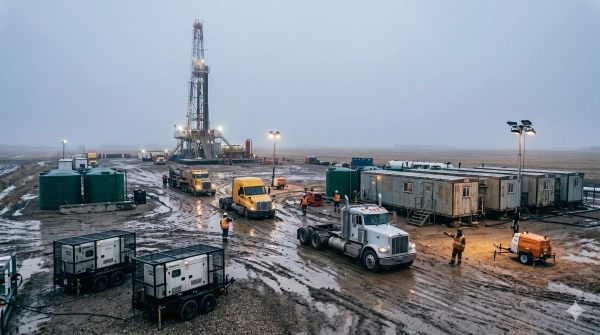
Oilfield site setup refers to the entire process of designing, constructing, and preparing a site so that crews can drill and produce oil in a safe and sustainable manner. It begins long before a rig arrives, with land surveys, road access and ground checks, and layout of rigs, tanks, power and worker areas. Teams manage allowances, local regulations and footprint verifications because regulations and guidelines define how each site may operate. Good setup reduces risk, saves time, and facilitates neat and fast moves when the gig is over. The following pages guide through important phases, ranging from initial design and safety planning through equipment positioning, utilities, and fundamental field team best practices.
The Unseen Delays in Oilfield Site Setup
1. Poor Access
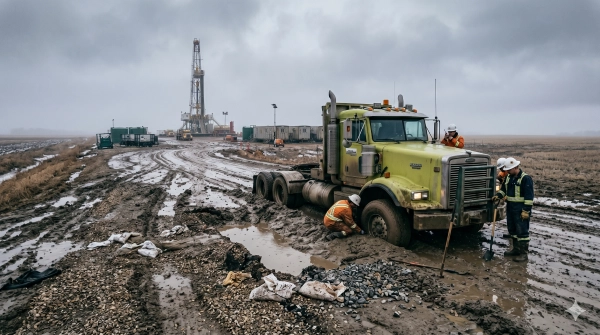
Load-bearing access roads in wet seasons, permafrost, or sandy ground hold things up. Trucks with casing, fuel, and drilling fluids idle or get stuck, and every rescue or reroute adds direct cost and schedule slip. In harsh boreal or desert terrain, roads require subgrade, drainage, and surfacing commensurate with axle loads, not a pass with a grader.
If roads are narrow, soft or out of level, it’s a safety risk to transport long loads, cranes and mobile rigs. Crews drive slower, move less per shift, and postpone critical lifts until daylight or improved conditions, causing delays to spud dates and completion work.
Traffic planning counts as much as the road. Without demarcated one-way routes, turnouts and staging pads for tankers and service units, the site congests at peak hours. Even a couple of unanticipated small bottlenecks can lose you a few hours a day.
Access design influences the project’s footprint. Using land-following alignments, wetlands-protecting drainage, and smaller, engineered pads can minimize aboveground disturbance and minimize later remedial work to touch up erosion or sediment problems that might attract regulators and cause additional delays.
2. Power Gaps
3. Inefficient Layout
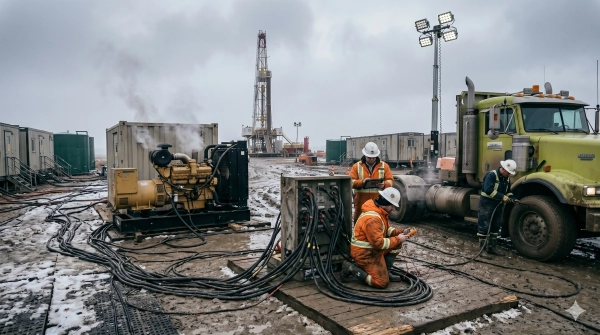
A bad wellsite design has everybody and every machine crossing paths all day long. If buildings, mud pits, pumping units, and storage areas are in the wrong locations, the crew wastes time walking, waiting, and moving hoses or lines instead of drilling or servicing equipment.
Short, direct paths for fuel, water, mud and personnel minimize traffic and decrease the risk of accidents. Defined clear zones for crane work, chemical handling and storage reduce risk and increase the efficiency of daily work.
By keeping drill cuttings, drilling fluids, and reserve pits distinctly separated and well labeled, it is easier to monitor volumes, coordinate waste disposal, and prevent accidental contamination or compliance infractions.
Digital site models and rudimentary virtual design tools, even primitive 3D layouts, assist in detecting conflicts early. Teams can try out different layouts onscreen, verify truck turning radii and tweak placements. All before dirt ever flies.
4. Water Mismanagement
Water is a frequent source of hidden delay. Bad drainage around the pad converts rain or snowmelt to standing water, rutting and erosion, which impede trucks and can stop work while repairs or regrading occur.
If drilling mud systems, freshwater storage and salt water disposal pits are not sized and lined adequately, there is increased risk to local soils and aquifers. Any spill or suspected leak can provoke investigations, additional sampling and extended delays.
Water has to be supplied and disposed of to meet peak demand during drilling and fracking. If supply trucks lag or disposal capacity is maxed, the rig sits even if the rig and crew are prepped.
Easy, consistent tracking of tank levels, flows and storage buffers allows the team to respond earlier. Good planning in this area keeps weather swings from becoming multi-day shutdowns.
5. Insufficient Lighting
Poor lighting on remote sites delays night work and increases accident risk. Main work faces, walkways, and equipment areas require reliable glare-controlled lighting so crews can identify hand signals, tools, and trip hazards.
Dust-resistant, vibration-resistant, and shock-resistant energy-efficient lighting built for cold or extreme heat minimizes outages and helps alleviate temporary power system loads. Less downtime means fewer unplanned stops.
When lighting is included in the initial layout, it is simpler to comply with safety regulations, prevent dark corners, and maintain access roads and key work areas that are functional in any weather.
The True Cost of Unpreparedness
A terrible oilfield site laydown doesn’t just gum up the gears; it surreptitiously inflates labor, equipment and logistics costs, jeopardizing long-term project viability.
Escalating Costs
Poor front-end planning tends to manifest itself in the form of emergency repairs, last minute rentals, and overtime. When access roads rut after a heavy rain because grading was hurried, trucks haul slower, breakdowns increase, and crews don’t get off site so quickly to make up lost time. Every emergency call for a mechanic, crane, or pump at premium prices adds up. This is what makes unplanned maintenance capable of consuming up to 20 percent of an operator’s annual operating budget.
Typical cost drivers recur across most basins. Non-systematic civil work prior to early construction causes multiple road repairs, additional gravel, and more frequent re-compaction. Bad pad layout can compel unanticipated renting of additional generators, separators, or fluid storage when tie-ins or power aren’t prepared. When OCTG costs can spike 25 to 35 percent from tariffs, every wasted joint from poor handling or storage on a sinking pad slices deep into margins.
Poor drainage and grading create hidden long-term costs as well. Erosion around wellheads and tank foundations, washouts at culverts, and standing water near electrical gear all fuel elevated inspection and repair cycles for years.
| Item | Budget (USD) | Actual (USD) |
|---|---|---|
| Access roads and grading | 450,000 | 620,000 |
| Temporary power and rentals | 180,000 | 310,000 |
| Unplanned maintenance and repairs | 120,000 | 290,000 |
Operational Downtime
Downtime is where unpreparedness stings the most. A rig that can’t get on site because the access road washed out, a pad that floods and traps trucks, or a power system undersized for peak load can halt production for hours or days. Industry-wide, 82% of companies have had at least one unplanned downtime in the last three years, with losses frequently in the millions per year. At the facility level, equipment failures can set you back close to USD 500,000 per hour, more than twice the rate of just two years ago. An hour of downtime avoided can save you the same amount.
Reducing this risk starts with basic but strict planning: all-weather access roads, robust power supply with backup, clear traffic flow, and tested tie-in points for oil, water, and gas. Robust infrastructure reduces the risk of incidents and reduces recovery times when they do happen. Proficient, experienced crews count — they catch vulnerabilities in floor plans, verify fit between new units and old systems, and maintain rigorous inspection and preventative-care schedules.
The actual cost of an equipment failure isn’t even the barrels lost. We’re talking about fire-fighting repair crews, rush-order parts, overtime, and even contract penalties when volumes aren’t hit as promised. In their worst form, failures can cause ecological damage, like large diesel spills into rivers, which then layer cleanup and regulatory expenses on top of lost production.
| Downtime cause | Typical impact on extraction |
|---|---|
| Inaccessible or washed‑out roads | Delayed rig moves and completions by several days |
| Power outage | Pumps and compressors offline, reduced flow to sales |
| Equipment failure | Full or partial shutdown of wells or process trains |
Project Overruns
Site prep shortages and missed milestones from weak site setup push drilling, completion, and tie-in dates further out, tying up rigs, crews, and capital longer than planned. When foundations, utilities, and roads are not ready on the scheduled start date, contractors either wait or move to other jobs, making your original schedule difficult to salvage. Every delay scrambles natural gas and oil heading to market, which restricts the project’s flexibility to react to changes in demand and prices.
Integrated project delivery and full building system integration can reduce these overruns. When the civil, mechanical, electrical, and pipeline teams plan together, they’re able to align site layout, power loads, line routing, and equipment placement prior to work commencing. This helps safeguard mineral lease timelines, align with permitting windows, and demonstrate to lenders or partners that the project can scale in a managed way instead of through emergency-driven change orders.
Tracking in phases with obvious, easy milestones keeps this on track. Fundamental tools, such as phase gates, look-ahead schedules, and plan-versus-actual variance reports, help catch slip early and fix it while alternatives are still available.
Safety and Compliance Risks
Oilfield site setup defines how safe a project is to people, land, and water. Bad planning and design increase the risk of spills, fires, and injuries, and those issues often extend well beyond the fence line. A site that ignores basic safeguards leaks, pollutes soil, and leaves a larger ecological footprint that is difficult and expensive to remediate down the road.
There are heavy government regulations, environmental laws, and safety measures because the risks have been proven to be real. Falls continue to be a leading cause of fatality in oil and gas work, and vehicle collisions represent approximately four out of every ten worker fatalities in this sector. When site design doesn’t separate heavy traffic from footpaths or doesn’t plan safe access to work areas, these numbers rise quickly. Robust governance, real-time visibility, and defined safety support team responsibilities ensure day work stays aligned with what the law and best practices demand.
Increased Hazards
- Falls from rigs, tanks, platforms, and ladders
- Highway and on‑site vehicle collisions
- Fires and explosions from gas releases or hot work
- Exposure to hazardous energy (electrical, hydraulic, mechanical, pneumatic)
- Machine hazards from rotating parts, pinch points, and moving loads.
- Deadly tanks, pits, cellars, and process vessels are confined spaces.
- Ergonomic strain from manual handling, awkward postures, and repetition.
Defined processes eliminate these risks. Lockout/tagout for all hazardous energy sources, hot-work permits for welding and cutting, gas detection prior to confined space entry, and traffic management plans for trucks and buses all matter. Routine inspections of pumps, hoses, valves, and electrical components reduce the risk of unexpected leaks, arcing, or rupture that can spark spills or fires.
Crews require drills for spills, leaks, blowouts, and equipment failure, not just slide decks. Tabletop exercises and full-scale field drills create muscle memory for alarm usage, shut-downs, evacuation routes, and first-aid response.
Remote sites should have, at a minimum: flame‑resistant clothing, hard hats, eye and hand protection, fall‑arrest gear, self‑contained breathing apparatus for gas events, gas detectors, fire extinguishers, spill kits, first‑aid kits, eyewash facilities, and clear written protocols for communication, medevac, and shelter‑in‑place.
Regulatory Hurdles
Compliance starts with mapping out all relevant laws: local zoning rules, regional water and air regulations, and national health and safety codes. A lot of projects require an official environmental impact study — soil, groundwater, air emissions, waste, wildlife. Missing or shortchanging these steps can stop a project later or cause expensive redesigns when construction is already in progress.
The permitting requires pristine, consistent documentation. They typically request site plans, drainage plans, stormwater management, waste separation and disposal, and water sourcing and discharge plans. If drilling mud, produced water, or cuttings management is unclear on paper, permits can be held up or refused.
Bringing environmental engineering into early design makes a difference. Lined containment around tanks, closed-loop mud systems, proper flare sizing and low-emission generators all minimize the site’s long-term footprint. These selections promote compliance with fall protection, hazardous energy control, and emissions rules, so safety and environmental objectives remain aligned rather than at odds.
There’s always something when it comes to safety and compliance. Rules and standards change, so monitoring can’t simply end once the rig starts. Routine audits, near-miss reviews, and spill, fire, and equipment failure tracking expose the weak spots in your setup. Updating procedures, retraining crews, and tweaking layouts when new standards or learnings arise keeps the site on the right side of both the law and best practice.
The Human Factor in Site Delays
Site setup not only sets tanks, shacks, and lines, it influences how people feel, work, and stay safe in a brutal oilfield environment. Bad layouts, inefficient logistics, or lacking elementary amenities not only slow work but sap morale, increase exhaustion, and drive decent workers away. A smartly designed pad keeps crews flowing, resting, and communicating effectively, which reduces downtime and promotes safety and sustainable staffing.
Crew Morale
Crew morale on a new site often depends on small, concrete things: clean rest areas, dry and stable walkways, working toilets, and shelter from wind or heat. When crews arrive and discover power, water, and communications prepared, they get to work with less stress and confusion. Good signage and neat storage, too, communicate that management is on the ball and cares.
Unneeded delays — waiting hours for a crane path to be graded or for tools to come in from a far-away laydown yard — create silent angst. When they feel their time is being squandered by inadequate planning, they cease to trust leadership and begin double guessing instructions and shortcuts to make up time that can induce additional delays later.
Conveniences such as modular oilfield pump shacks with climate control, seating, noise protection and rudimentary first-aid equipment provide crews a refuge to strategize, recharge and debrief. Little things like hot drinks in cold weather or shady, airy rest stops in hot areas make you feel good and keep you alert. Frequent toolbox talks, transparent schedule updates and public praise of crews who solve problems promptly help maintain group cohesion and minimize inter-shift conflict.
Heightened Fatigue
Fatigue builds quickly when sites are equipped with extended, bumpy access roads, dispersed laydown locations, and inefficient task flow. Workers sometimes walk kilometers a day over rough terrain to retrieve parts that should have been staged closer to the work face, adding physical stress before they even start their primary activities. A tight layout, well-defined traffic plans, and staged equipment minimize unnecessary lifting, climbing, and carrying.
Shift planning is as important as layout. On remote sites, extended rotations with no actual rest cause cognitive and physical grind. Rotations that balance day and night work, with adequate handover time and commutes that do not eat into off-hours, allow crews to recover. Good lighting around critical paths, stairs, and work areas minimizes eye strain and slips during night work. Windbreaks, insulated shelters, and shade structures enable people to deal with cold, heat, and dust.
Active health monitoring, from impromptu daily check-ins by supervisors to rudimentary screening for dehydration or heat stress, assists in identifying early signs of weariness. When supervisors, empowered by leaders who know the human element, feel free to slow the pace, reassign heavy tasks, or bring in extra hands, they protect both safety and schedule.
Talent Retention
Talented craftsmen want to go to sites where they can observe that the management team values safe, clean, and orderly work spaces. A pad with defined escape routes, accessible emergency equipment, and well-maintained machinery demonstrates a company’s commitment to safety and productivity. That’s the human factor in site delays. That signal is a big factor when seasoned professionals choose where to camp for the long term.
Site setup training, including site-specific walkthroughs of the traffic patterns, muster points and equipment zones, enables rookies to shed the nervous rookie label and gain confidence more quickly. If crews find opportunities to learn new roles, such as stepping up from general labor to run modular equipment or lead pre-job briefs, they’re more inclined to stick around through several projects. Reasonable, predictable work schedules, few dead days between phases, and honest talk about upcoming campaigns help maintain a steady income and curb the desire to hop to another operator.
Over time, sites that run with fewer injuries, fewer frantic rewrites, and less turnover develop an understated yet powerful reputation in the area. Contractors and local communities take cognizance when a company maintains decent camps, honors the need for downtime, and heeds input from the field crew. That reputation makes it easier to hire and retain good people, which in turn reduces delays due to incessant retraining and lost expertise.
The Proactive Preparation Blueprint
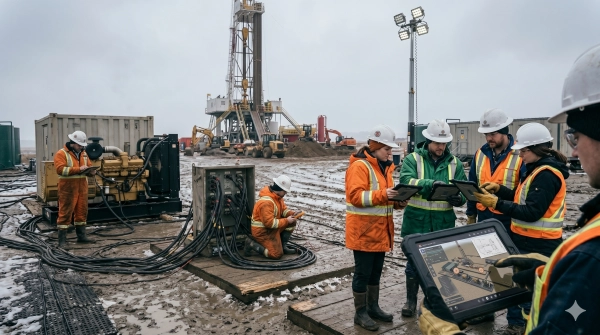
A proactive preparation blueprint for oilfield sites connects civil work, safety and operations into a single plan so crews aren’t responding to issues in the field. It leverages a two-week look-ahead, daily check-ins, and explicit roles to maintain work predictable and stable.
Integrated Planning
Coordinated planning begins with engineers, environmental team members, and construction leads all in the same room, working from a single timeline. Civil engineers lay out grades, pads, and access. Environmentalists mark setbacks, wetlands, and wildlife areas. Construction and drilling crews convert that into haul routes, laydown spaces, and tie-in points. The two-week look-ahead converts this sequence into concrete daily tasks, crews, and equipment, so earthworks, liners, and rig moves do not conflict.
Comprehensive site maps back this up. They display traffic routes, one-way haul roads, turning radii for massive loads, and sites for fuel, chemicals, and waste. Staging lists indicate where everything is slated and where every major unit will sit, including power units, tanks, and gensets. A daily huddle pattern, even 10 to 15 minutes at the start of each shift, checks progress, modifies the two-week look ahead into a weekly plan, and ensures supervisors and operators have the same picture.
Planners map storms, soil constraints, and access hazards in advance. That involves checking flood lines, soft ground, and steep grades, then establishing alternate access, matting, or temporary bridges in advance of equipment delivery. OSHA’s Safety and Health Regulations for Construction (29 CFR 1926) begin as soon as the first grading pass. A JSA is completed before work begins and recompleted when tasks change, like moving from topsoil stripping to trenching utilities.
Key items to have ready before drilling starts:
- for approved pad and access road design, design surfaces approved
- Survey control points and boundary markers in place
- Confirmed stabilization needs (geogrid, gravel, matting) before mass earthwork
- Designated utility and fluid passages with appropriate isolations and depths.
- Completed JSAs for grading, trenching, lifting, and traffic control
- Environmental approvals, buffer zones, and spill response plan
- Traffic and signage plan for all heavy vehicle movement
- Staging layout for rig, tanks, generators, and waste handling
Smart Technology
Smart tools inject more control into this blueprint. Designers mix survey data with planned grades and underground lines, then do clash checks so corridors do not overlap and pad slopes still drain during actual precipitation. Design surfaces are verified in this model, then transmitted to machine control units on graders and dozers to reduce rework and fuel consumption.
During setup, real-time data assist in optimizing drilling fluid pits, tank farms and hose runs. Sensors and level gauges indicate real volumes, so crews can resize pits or relocate tanks to minimize hose length and truck backing. Remote monitoring units monitor noise, dust and emissions at the fence line and issue alerts when readings approach permit limits. These systems can monitor pump pressures, liner condition and capture sumps so small leaks are detected before they propagate.
New liner and modular systems provide added strength. Thicker composite liners, pre-welded panels and modular containment walls install more quickly and resist freeze-thaw better than thin single-layer sheets. When connected to the digital model, every panel and section has an identified place and specification, which allows inspection, repair and future removal to be easier and more trackable.
Climate Adaptation
Climate-ready design for Alberta locations translates to constructing to withstand freeze-thaw cycles, deep frost and abrupt storms. Pads frequently require thicker gravel sections, appropriate sub-base compaction and occasionally geogrid to maintain stability under rigs and heavy trucks when the top layer softens in spring. Structures and skids are placed on foundations that accommodate ground movement without bending pipe or straining cables. Cold-weather concrete mixes and coated steel and UV-resistant liners perform better in northern and boreal conditions and reduce mid-season repairs.
Water is always on the radar. Drainage plans contour surfaces so water drains away from the wellhead, tanks, and chemical storage into graded ditches, sumps, or ponds. Erosion control employs small tools such as ditch checks, riprap, and fiber rolls, as well as fast-growing seed mixes adapted to local ecosystems. It helps shield neighboring streams and wetlands from sediment load. Seasonal risks are part of the proactive blueprint too: spring breakup, early snow, road bans, and freeze-up windows are all mapped into the two-week and weekly plans so high-risk activities do not land in the worst weather.
Operations shift around this weather image. Crews can front-load grading and heavy hauling into colder, frozen periods to avoid rutting and road damage. Work may shift to above-ground assembly, inspections or utility tie-ins during wet weeks. They verify material availability ahead of time so that cold-rated hoses, de-icing supplies and spare mats are available before storms strike. This type of schedule and workflow transformation reduces weather delays, keeps access roads open longer and enables consistent, safe progress in remote locations.
Partnering for Operational Excellence
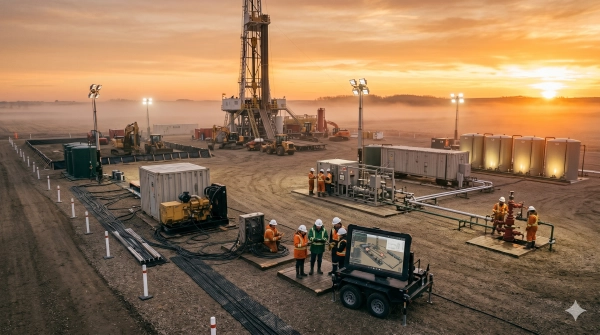
As a reliable source for wellsite equipment rentals and support, the company provides run-ready gear that’s easy to service on-site. This can be rig matting, light towers, tanks, heaters, and modular pump shacks sized to the well’s flow profile. Dependable rentals reduce downtime and assist operators in accessing the 10% or more of production capacity commonly held hostage to complexity and minor waits. When your site team knows the equipment will arrive on time, tested and compliant, they can focus on safe execution instead of fire stand dashes.
Customized bundles unite civil construction, modular units, and cutting-edge tools under one package. For instance, a single project that requires pad building, access roads, and containment berms, along with insulated pump shacks, remote monitoring, and flow back tanks. Yet another might require lighter civil work but more sophisticated metering and data logging. In both cases, packages are constructed around customer goals for sales, transformation expenses, invested capital, and threats. Supply chain analytics are your partner for operational excellence as it helps you select vendors, forecast inventory, and identify savings without jeopardizing safety or uptime.
It takes more than tools to achieve operational excellence. It rests on a clear program that sets strategy, principles, expectations, and processes, often formalized in an operational excellence management system with three main parts: leadership and culture, risk and process control, and continuous improvement. In mature regions like Alberta, the focus leans toward culture and daily behavior: clear roles, standard work, and firm follow-through. Inspiring employees fashions perhaps 20% of transformation; consistent reinforcement of repercussions, positive and negative, fuels the remaining 80%. In newer plays, the focus tends to turn instead to formalizing standards and constructing easy, repeatable routines from the beginning. At all of the sites, those senior leaders remain engaged and maintain direct conversations with crews, so that gains persist over years, not months, even as companies consider headcount, global mobility, or new staffing models.
Conclusion
Oilfield site setup appears straightforward on paper, but minor gaps stall labor, increase danger, and leech earnings. Equipment that arrives late, ambiguous responsibilities, flimsy controls, or hasty planning all accumulate. Crews take the brunt first. Weary heads screw up more. Morale tanks. Turnover increases. Work slows even more.
Strong prep makes that different. Defined scope, scoped site plans, reliable checklists and transparent crew feedback establish a fresh beginning. Great partners bring experience from oilfield site setup.
To get started, select an area to optimize initially. Maybe pre-job checks, maybe crew handoff, maybe vendor links. Start tiny, measure time and expense, and go from there.
Frequently Asked Questions
What causes the most delays in oilfield site setup?
The majority of delays stem from bad pre-planning, incomplete surveys, late permits, and last-minute design changes. Weather, unclear roles, and uncoordinated contractors contribute to time delays. A disciplined planning process minimizes these hazards and maintains the timetable.
How does poor preparation increase oilfield project costs?
Unprepared, you have idle crews, equipment standby charges, rework, and rush fees. Every day you stall adds to labor, rental, and logistics expenses. With good planning, early risk checks, and well-defined scoping, much of this unplanned spending can be avoided.
What are the key safety risks during site setup?
Typical risks include unstable ground, poor traffic control, inadequate signage, and unclear emergency plans. Missing safety checks can cause incidents, shutdowns, and legal issues. Systematic hazard assessments and strict compliance procedures help keep people and assets safe.
How does the “human factor” impact site setup timelines?
Communication gaps, muddy responsibilities, and untrained folks frequently drag work. Little miscommunications cause rework and waiting. Strong leadership, clear roles, and weekly coordination meetings keep teams on track.
What should a proactive oilfield site preparation plan include?
A robust plan encompasses site surveys, access roads, permits, utilities, safety systems, logistics, and contingency scenarios. It defines milestones, owners, and approval steps. This structure prevents surprises once crews and equipment land.
How can operators reduce compliance risks during site setup?
Begin with a regulatory checklist, environmental review, and current standards. Get HSE and legal teams involved early. Record all inspections and approvals. To keep daily work in line with the rules and best practices, auditors and toolbox talks are conducted regularly.
Why partner with a specialist for oilfield site setup?
Experts provide established procedures, local regulatory expertise, and supplier connections. They spot risks up front, marshal stakeholders, and compress learning curves. This knowledge helps operators minimize delays, control costs, and have safer, more dependable startups.
Still searching for oilfield equipment solutions? Explore Benoit Rentals for additional rental equipment and wellsite support services.
Related Equipment Services:
Helpful Resources: