
- Key Takeaways
- The Mobilization Challenge in Alberta
- How Integrated Equipment Rentals Streamline Operations
- The Single-Source Partner Advantage
- Navigating Alberta’s Unique Demands
- Essential Rental Categories for Oilfields
- The Modern Technology Edge
- Conclusion
- Frequently Asked Questions
- What does “integrated equipment rentals” mean in Alberta?
- How do integrated rentals reduce mobilization challenges?
- Which rental categories are essential for oilfields?
- How does a single-source rental partner add value?
- What makes Alberta’s conditions unique for rentals?
- How does modern rental technology help on-site?
- How do I choose a reputable rental provider in Alberta?
Key Takeaways
- Prepare for Alberta’s remote terrain and long distances by selecting rental partners with extensive fleets, local branches, GPS-tracked deliveries and emergency support that can get to sites 100 km plus from hubs. Verify fuel, power and accessory requirements prior to dispatch to prevent delays.
- Get ready for the deep freeze with our site checklist on heating plans, right BTUs, tarps, air movers, and winterized equipment to safeguard crews and materials. Preventive maintenance and cold weather inspections can keep rentals reliable in fluctuating temperatures.
- Be COR compliant by using certified technicians for temporary heat and power, tracking all generators and attachments, and keeping documentation handy for inspections. Keep an eye on regulation changes impacting commercial construction and oilfield projects to avoid work stoppages.
- Simplify with one-source rental that packages equipment, heat, power, and material handling. Let coordinated deliveries, standard terms, and consolidated invoicing reduce your costs and simplify your procurement.
- Boost productivity and safety with standardized weekly walk-throughs, inventory checks, and real-time tracking for tools and heavy machinery. Coordinate backup units and quick parts availability to minimize downtime and keep working conditions safe.
- Help your project scale and meet specialized needs by renting targeted equipment like 25 kW generators, tampers, pumps and indirect heaters. Scale orders to seasonality, multiple sites and evolving scopes without the capital weight of ownership.
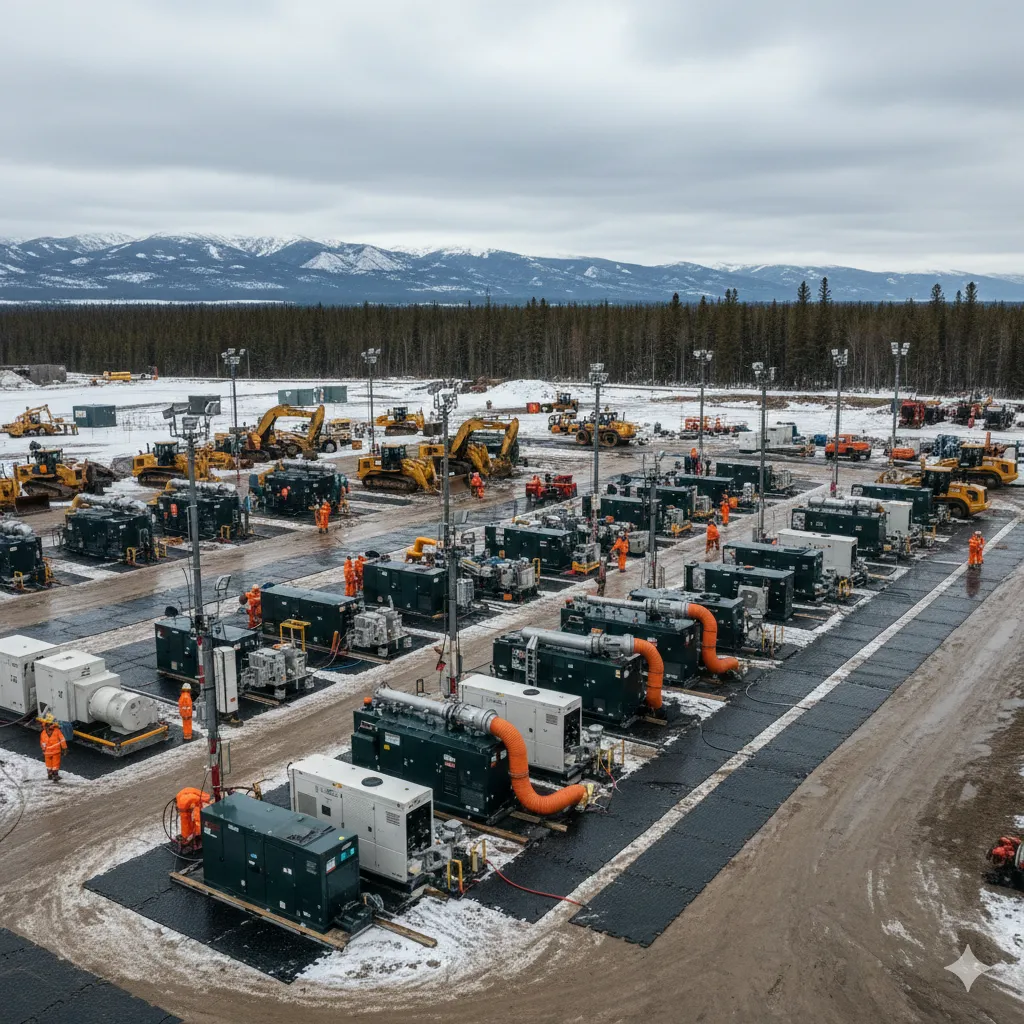
Equipment rentals Alberta means renting tools and equipment on a temporary basis anywhere in the province, from lightweight DIY tools to heavy-duty construction equipment. Providers serve urban and remote sites with fleets that include excavators, skid steers, aerial lifts, compressors and power units. Most provide round-the-clock support, have online bookings, and offer 24 to 48 hour delivery. Rates depend on size, brand and job length, with day, week and month tiers. Winter-ready packages, cold-weather fluids and block heaters assist in sub-zero temperatures. Oil and gas, forestry and municipal works use certified gear that is CSA and COR compliant. To plan a job, renters compare availability by region, load limits, damage waivers, add-ons and site services in the sections below.
The Mobilization Challenge in Alberta
| Supplier type | Core features | Approx. fleet size | Noted branches (AB) |
|---|---|---|---|
| National rental brand | Broad catalog, 24/7 dispatch, digital tracking | 50,000+ units across Canada | Edmonton, Calgary, Fort McMurray |
| Regional heavy-equipment firm | Excavation, haul trucks, oilfield support | 5,000–10,000 units | Red Deer, Grande Prairie |
| Specialty climate/power provider | Heaters, generators, drying, power distro | 1,000–3,000 units | Calgary, Edmonton |
| Local independent | Fast local response, niche tools | 500–1,500 units | Lethbridge, Medicine Hat |
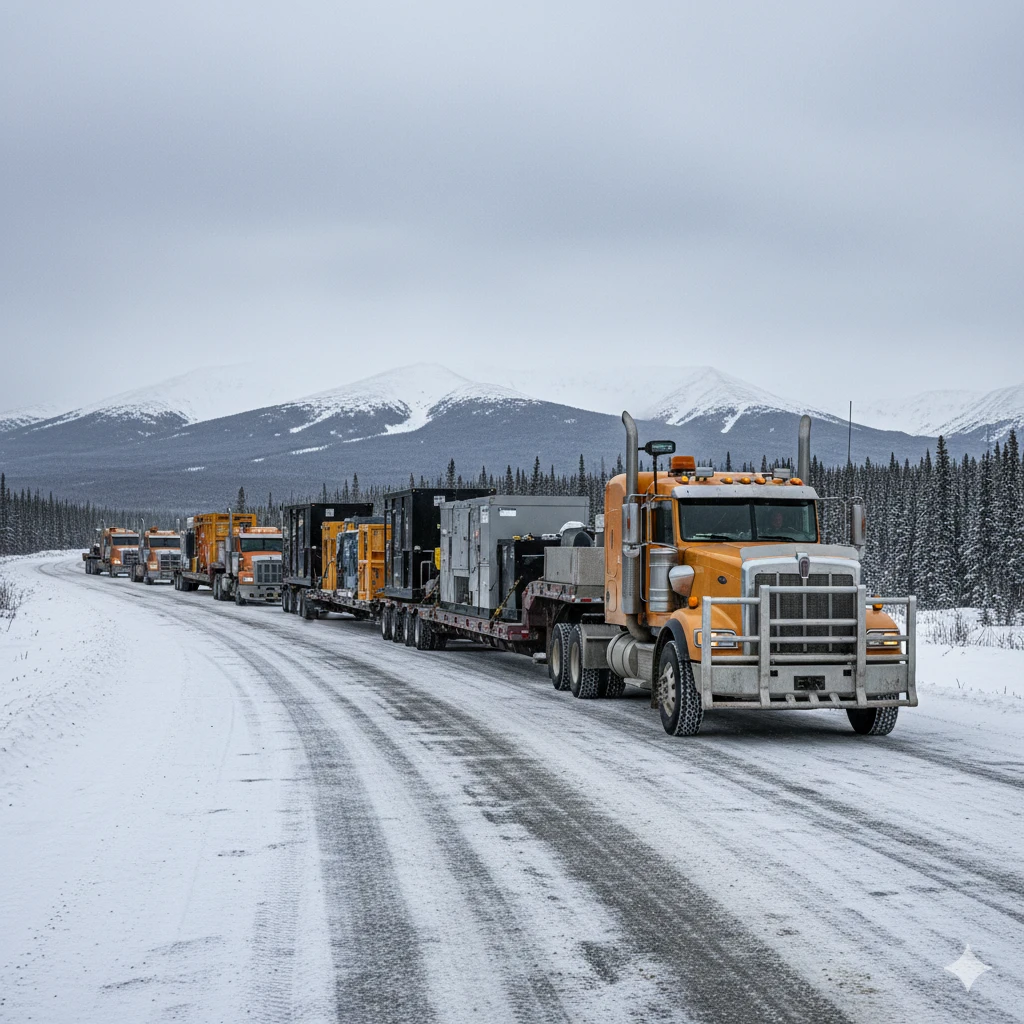
Alberta’s isolated corridors translate to extended drives on gravel or ice roads. Loads frequently require pilot cars, over dimension permits, and drivers educated for steep grades or ice. Diesel tractors with low-beds, winches, and chain-up points are the norm. Delays pile up quickly when you don’t have pre-cleared routes and an experienced crew.
A supplier with depth counts. Branch proximity reduces mobilization from days to hours. That sense of purpose is why, in crisis windows like the Jasper wildfire, which burned more than 32,000 hectares, forced 20,000 evacuations, and saw fleets of light towers, toilets, excavators, trucks, and trailers on the move within 48 hours. Fuel was on 24 hours a day for three weeks. Calls, texts, and social posts inspired fast mobilization, and crews shielded hospitals, schools, and emergency hubs despite a third of town buildings being destroyed.
Remote Logistics
Transport heavy equipment, small tools, and components within 100 km or well beyond by positioning hubs close to highway intersections and resource roads. Backhaul broken units and swap spares to reduce site downtime.
Employ dispatchers who are familiar with northern Alberta and the corridors of western Canada. GPS-tracked trucks share live ETAs and route changes when weather shuts down passes.
Ensure fuel bowsers, generators, and temporary panels arrive at the pad first. Without power or diesel, the site just stalls on arrival.
Provide rapid response teams capable of scaling overnight. We stock hoses, fittings, lights, and cords for those last minute needs when fires or floods change work zones.
Harsh Climate
- Winter plan: site access checks, road sanding, snow storage, freeze-depth testing, and warming zones for staff. Label laydown, mark utilities, and set night lighting for short days.
Stage tarps, air movers, and fans keep forms and trenches dry. Melt slush quickly to prevent refreezing cycles.
Size heaters per space, loss rate, and desired cure. Monitor kW/BTU requirements on a daily basis as temperatures fluctuate from 5°C to -30°C.
Stay up-time with cold-weather fluids, block heaters, sealed connectors and short service intervals. Write down each check.
Regulatory Hurdles
| Area | Rule focus | What it affects |
|---|---|---|
| Transport permits | Overweight/over-dimension approvals | Low-beds, escorts, routes |
| Fuel handling | Storage, transfer, spill response | Bowsers, heaters, generators |
| Emissions/noise | Local limits and site rules | Work hours, mufflers, DEF |
| Electrical/gas codes | Temporary power and heat | Panels, lines, heaters |
Certified gas fitters and electricians have to install and tag temp heat and power. Preserve as-builts and compliance stickers.
Record each unit, hour meter, and attachment ID for inspections and audits. Save checklists and service logs in one convenient location.
Rules change on commercial builds and oilfield sites. Designate a compliance lead to track bulletins and revise SOPs.
How Integrated Equipment Rentals Streamline Operations
Integrated rentals place sourcing, logistics and support all under the same roof. Teams consolidate requests for tools, heavy equipment, heating, power and material handling so mobilization begins quickly and remains coordinated. One provider offers broad inventory access, fewer vendors to manage and service bundles that reduce cost and admin work. We customize our solutions to each site from kickoff to demobilization.
1. Financial Agility
Renting liberates capital for core work like labor, permits, and materials. It bypasses big purchases that lumber around idly between stages.
Flexible terms match up with project cycles, shut-down windows, and weather delays. Monthly, weekly, or daily choices keep budgets lean and consistent.
Simply hard to beat consolidated invoices and transparent rate cards when tracking expenses across sites. Digital paperwork and photo proof assist in resolving damage claims with no office visits.
2. Operational Efficiency
One contact for ordering, delivery, pickup, and returns. That minimizes phone calls, duplicate paperwork, and vendor duplication.
Inventory visibility cuts downtime. If a compactor breaks, backup equipment or parts ship the same day. Mobile apps and digital forms allow drivers to log condition, attach photos, and timestamp service, reducing errors and accelerating fixes. Electronic service reports complete the circle with dispatch, crews, and managers, boosting satisfaction.
Scheduled walk-throughs and weekly counts keep shortages from happening. Automated tracking and tracing of equipment and services enhances control, while less manual input shifts operations toward paperless and boosts productivity. One niche player experienced a 15% increase after installing field service software. Integrated equipment rentals and staff and sub scheduling with shared calendars.
3. Specialized Access
Oilfield and remote jobs need niche gear: 25 kW generators, tampers, pumps, explosion-rated lighting. Providers quickly procure these.
When tasks shift, custom or OEM-matched tools come with fittings and hoses. Full heating lines, indirect heaters, tarps, and ducts shield pours, coatings, and crews in cold snaps. Trusted partners size units and match duty cycles to site power.
4. Enhanced Safety
Well-kept fleets and industry-certified installs minimize the risk of failure. Temporary power and light plans keep travel ways clear during dawn, dusk, and night shifts.
Tool box talks and quick guides on location promote safe use. In real time, it tracks and flags misuse, overloading, or missed inspections.
5. Project Scalability
Orders scale with change orders and season peaks. Additional resources dispatch for major projects or storm reaction.
With branch networks, several sites are served with one standard. You can flex without excess iron ownership.
The Single-Source Partner Advantage
With one partner handling rentals, logistics, and staffing support across Alberta’s commercial works and home jobs, teams spend less time chasing quotes and more time on the work.
Simplified Procurement
One order system folds all categories — earthmovers, aerial lifts, power, climate control, trench safety, and tool fleets — into one workflow. That same partner can provide short-term staff for administrative or industrial positions, injecting bench strength when crews spike in remote or metro areas.
Less back-and-forth, less errors. One vendor record reduces onboarding time and streamlines compliance checks. When you require crane mats in Calgary and heaters in Ft. McMurray, one cart and one approval is speedier.
Standard terms eliminate guesswork from site to site. Rates, transport rules, service windows and damage waivers all remain consistent. This consistency aids cash flow planning and reduces conflicts.
Last-minute needs are easier. One call for swaps, add-ons, or site moves is supported by a partner that understands your fleet history and can activate talent to meet delivery windows.
Consolidated Invoicing
A single, transparent invoice details rentals, parts, fuel, and service, all grouped by project so managers capture and track spend without cross-referencing dozens of disparate PDFs.
Audits and budgets are supported by detailed breakouts by jobsite, date, or asset type. You get to see the boom lift idle days, the generator fuel burn, and staffing hours by role.
Duplicate charges plummet when a single system reconciles check-in/check-out and meter reads. That cuts write-offs and stops lost disputes. Faster processing comes next as accounting has one vendor ID, one format, and matched cost codes for tools and temps alike.
Coordinated Delivery
Coordinated drops align gear by phase: groundworks get compactors, trench boxes, and pumps in one wave. Steel phase includes telehandlers and scissor lifts. Fit-out involves installing light towers and climate units. This reduces clutter and maintains laydown yards tidy.
Real-time tracking allows planners to shift slots when weather or permits slide. That very desk verifies the proper cables, 63 A breakers, fuel cubes, and hose sets are on every truck.
A single-source partner consolidates a diverse workforce from around the regions, bridging holes quickly and mirroring diverse experiences. That breadth reinforces huge recruitment portfolios, trims sourcing overhead, and liberates managers to focus on core scopes as the partner customizes gear and staffing to site needs.
Navigating Alberta’s Unique Demands
Projects in Alberta range from oil and gas to construction and fast-growing tech. Rental plans that can navigate different regulations, dramatic changes in weather, and extended supply chains while keeping a keen eye on costs under an 8% corporate tax rate and no PST.
Seasonal Readiness
Winter requires heat on demand. Temporary heaters sized by cubic metres, propane supply with certified handling, and insulated tarps that seal scaffolds reduce frost risk on slabs, coatings, and grout. Ground-thaw units keep trench work and utility ties in pace with Alberta’s unique demands. In refineries and plants, explosion-proof heaters fulfill hazardous-area classes, combined with air-flow verifications to prevent hotspots.
Summer means cooling for enclosed plants, camps, and data rooms. Fans, air movers, and spot coolers rated in kW cut down on humidity and shield the electronics. Air negative machines with HEPA filters facilitate confined space work and shutdowns.
Season dictates service cadence. Filters clog easier in winter dust, belts and hoses crack in the cold, and fluids shift grade. A preventive schedule that switches to winterized oils and tests ignition systems in autumn reduces downtime. In summer, coil cleaning and motor checks maintain airflow.
Storms and outages are going to happen. Stock portable light towers, diesel gensets with auto-transfer, spill kits, and pumps with head ratings suitable for local lift. Emergency callouts assist jobs to catch tight rail windows to the Port of Vancouver or Prince Rupert.
Remote Site Support
Remote work around Dawson Creek, Fort St. John, and High Prairie requires coverage and velocity! Mobile techs with 4×4 units, cold-weather tools, and common spares repair faults right away on the first visit, from telehandler hydraulics to heater regulators. This reduces downtime in little teams.
We make off-grid sites run smoother with satellite links, GPS asset tracking, and digital checklists. Crews log hours, flag alarms, and pull manuals offline, which assists with TIER reporting for high-emitter facilities and standard safety audits.
Strategic branches have belts, filters, hoses, and backup pumps or compressors to exchange quickly. Turnaround kits are necessary before shutdowns. This backs expansion as oil production escalates and a 2.8% GDP forecast attracts additional initiatives.
Quick, practical instruction on start-up, safe operation and winterization develops expertise in a labor force earning an average CAD 1,359 per week. Crisp checklists and real-time problem solving minimize back-and-forth, ensure GST/HST and corporate filings are on point and suit Alberta’s tech-savvy, export-prepped economy.
Essential Rental Categories for Oilfields
Generally speaking, any robust rental strategy should encompass drilling, completion, and production. Gaps increase danger and decrease efficiency. Maintain inventory to standard, reduce downtime, and ensure technology alignment.
- Site preparation and earthworks
- Power, heat, and utilities
- Crew accommodations and welfare
- Material handling and storage
- Light equipment: generators, pumps, compressors, heaters
- Specialty: frac water pumps, submersible pumps, lay flat hose
- Safety and access: scaffolding, traffic control, heat tracing crews
- Fire skids and winterization gear
Site Preparation
Early work defines the tempo. Tractors, skid steers, and mat grapples clear brush, lay rig mats, and grade pads. Heavy machines with tampers form subgrade, and attachments such as augers and breakers provide trenching and anchors.
Concrete tools, plate compactors, and rammers finish base layers for tanks, separators, and control buildings. Proper compaction increases bearing capacity and mitigates settlement risks.
Small tools, safety barriers, and trench boxes safeguard crews around basements, culverts, and valve pits. Deliveries should coordinate with kickoff dates, with backups positioned to absorb weather or permit shuffles.
Power and Utilities
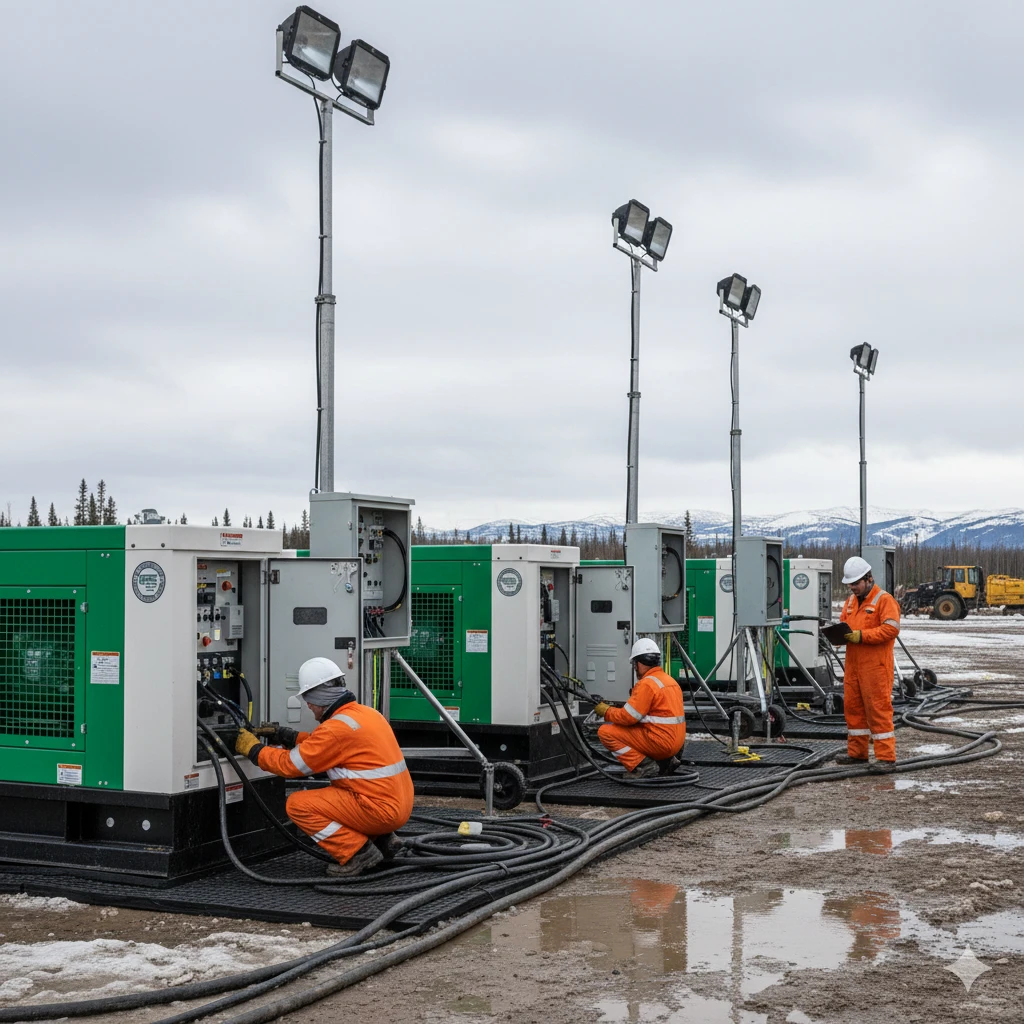
Provide heating in kW and BTU ranges, including frost fighter heaters for deep winter and heat tracing crews to protect lines and valves. Include all breakers, cables, camlocks, and grounding kits.
About: Must-Have Oilfield Rental Categories Stock spare parts.
With redundant units and rapid response, emergency power. To finish, match frac water pumps with submersible pumps and lay flat hose for rapid high-volume transfers.
Crew Accommodations
Portable offices, tool sheds and small garages assist in organizing work, storing spare parts and protecting equipment. Heating and cooling keep the space stable throughout the year.
Sanitation units, water tanks and treatment systems fit remote locations. Options adjust by crew size and project duration with modular add-ons for peak times.
Material Handling
Forklifts, cranes, and hoists transport casing, chemicals, and spool pieces securely. Certified rigging provides control.
Pumps, air movers, and fans manage fluids and ventilation in enclosed spaces. Storage containers and racks lock away parts and chemicals, while bunded units restrict spills.
All units should be safety and performance certified, with inspection logs and OEM parts. Smart rentals support jobs, as the industry spends $100 billion annually.
The Modern Technology Edge
Equipment Telematics
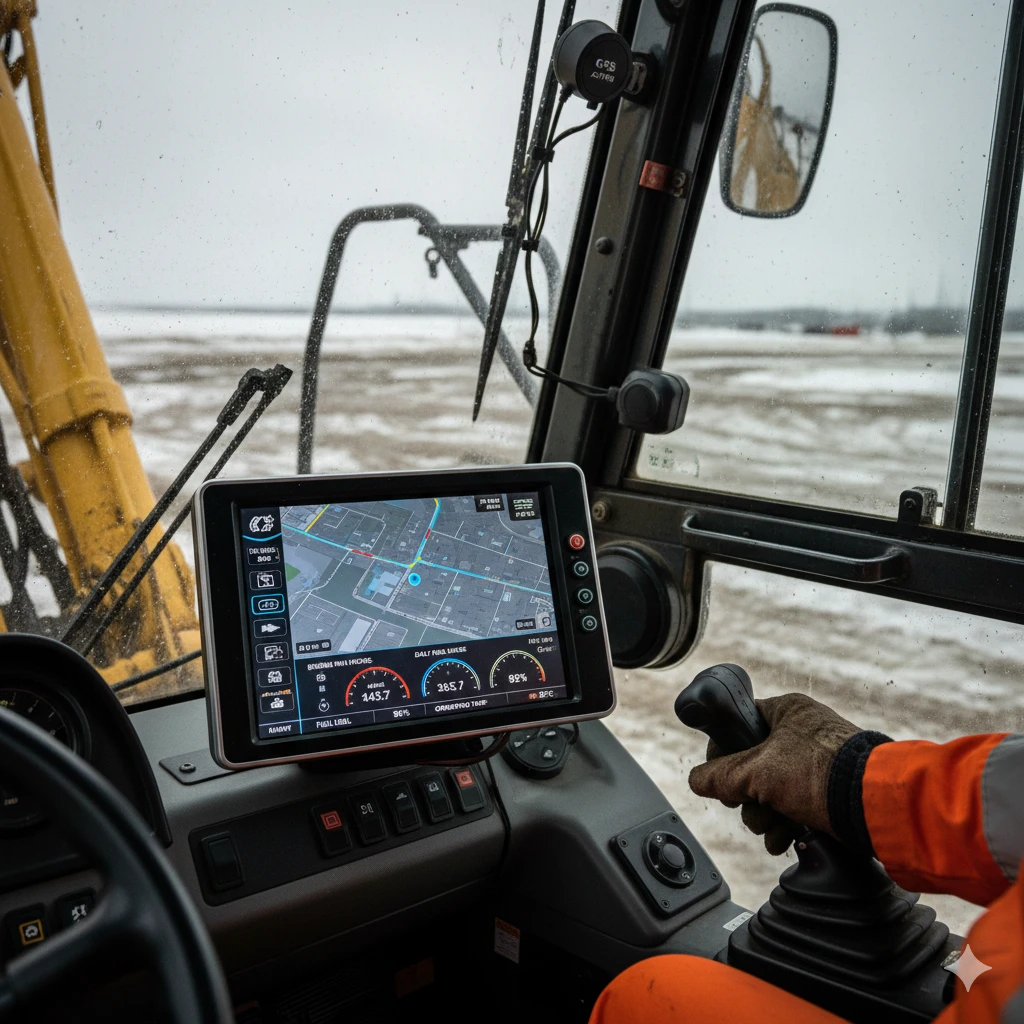
- GPS tracking features live location, run hours, idle time, and fuel burn in liters per hour.
- Engine diagnostics, fault codes, battery status, and fluid temperature
- Geofencing, unauthorized-use flags, and automated shutdown options
- Utilization dashboards by model, site, shift, and weather context
- Load, vibration, and slope sensors for safety and performance
Automated alerts flag heat, pressure, or DEF issues early, mitigating risk on high-use equipment such as excavators and loaders. Tier 3 and newer units dispatch consistent data streams that support eco objectives and generate fuel savings.
Usage data indicates where assets languish. Schedulers can redeploy units agilely, consolidate shifts, or trade off capacities to fit demand. This cuts lease days and fuel while adhering to safety regulations.
Feeds monthly plans, cost codes, and compliance files. Audits are easier too. Owners observe what succeeded on one site and try it on the next.
Digital Management
Online portals manage orders, fleet views, and service slots all in one place. A PM could reserve a 20-ton excavator, a 6 m telehandler, and trench shoring for a two-week window, then pivot in minutes as scope changes.
Chat and push notes connect crews and vendors instantly. The night crew flags a hose leak and the provider lines up 24-hour tech. Most rental firms maintain 24/7 monitoring and stringent service procedures to enhance security.
Digital records save certs, inspections, and service logs for each asset. That aids in satisfying site access inspections and sector regulations, among others, in oil and gas, which expends over $100 billion annually in rentals.
Approvals route with predefined thresholds, so expansions pass through quickly. The outcome is less e-mail, less lag, and faster field starts.
Predictive Maintenance
Predictive tools read patterns to preempt a stall. That translates to less downtime, more longevity, and more consistent output.
Sensors monitor wear on pumps, tracks, and hydraulic lines. Real-time health scores cue parts kitting and the right tech at the right hour.
For construction, a rigged and ready mixed fleet, refreshed regularly, keeps smart excavators and loaders within reach, powers green ambitions, and hones resource allocation.
Conclusion
Alberta work gets done quickly. Crews experience long hauls, snug sites and numbing cold. They spend time on late gear, poor fit and weak support. A single-source rental partner reduces that risk. One plan, one contact, one bill. Gear arrives on schedule. Specs fit the work. Our service teams repair them right on the spot.
Core needs stay clear: power, light, heat, pumps, tanks, loaders, lifts, and safe access. Include telematics and live dashboards. Teams monitor fuel consumption, operating time, and idling. Less driving. Fewer disposables. Improved safety.
Real gains manifest in easy victories. A pump swap in a couple of hours. A heater tuned up before a cold snap. A certified lift the very same day. Ready to enhance your Alberta fleet! Contact us for a site review.
Frequently Asked Questions
What does “integrated equipment rentals” mean in Alberta?
It means multiple equipment types – all from one source. Receive coordinated delivery, setup, maintenance and billing. This eliminates downtime, increases safety, and decreases overall project expense. Perfect for oilfield, construction and out-of-the-way operations in Alberta.
How do integrated rentals reduce mobilization challenges?
One partner organizes the logistics and schedules the transportation and site setup. Fewer vendors equal fewer handoffs and delays. You save trips, reduce fuel runs, and keep crews efficient. This is key in Alberta’s distances and fluctuating site conditions.
Which rental categories are essential for oilfields?
Power generation, light towers, pumps, compressors, fuel storage, heaters, tanks, loaders, and environmental containment are among the core categories. Include site offices, communications, and safety equipment. The perfect blend powers drilling, completions, maintenance, and turnaround projects.
How does a single-source rental partner add value?
You get one contract, one contact, and one consolidated service. They tailor gear to your specs, handle compliance, and service equipment. This optimizes uptime, streamlines invoicing, and allows quicker scale up or demobilization when schedules change.
What makes Alberta’s conditions unique for rentals?
Long travel distances, frosty winters, muddy spring roads and isolated sites. Equipment has to be winterized, rugged and local-code-compliant. Dependable logistics and around-the-clock support keep you safe and on time.
How does modern rental technology help on-site?
Telematics traces gas, run hours and placement. By remotely monitoring its stores until 2021, Caesars flagged maintenance needs early. Digital checklists and e-invoicing cut admin time. You get real-time visibility, reduced fuel burn and fewer breakdowns.
How do I choose a reputable rental provider in Alberta?
Ask about safety record, fleet depth, and response times. Verify winterization standards, certification, and maintenance programs. Request references and uptime statistics. Look for providers that have local branches, skilled technicians, and clear pricing.
Not what you were looking for? Browse Benoit Rentals’ top resources for equipment rentals:
Oilfield Tank Rental and Sales
You may also find the following resources helpful for additional reference.
Regulations, Environmental Compliance, and Safety Guidance for Oilfield Operations in Alberta.
Best Practices for Fuel Efficiency, Emissions, and Equipment Monitoring.
Safety Standards and Guidance for Workplace Hazards, including Oilfield Sites.